(near) near but — far
 you are doing amazing sweetie
 a model, a map, a fiction
 for refusal
 End to End
 ...
 face value
 ever elusive
 conversationpiece
 capture all
 afterglow
 BWPWAP
 in/compatible
 response:ability
 futurity now! deep north
 conspire. unfinish! reality addicts BASICS FLY UTOPIA! PLAY GLOBAL! go public! DIY
transmediale has evolved from a grassroots gathering into one of the leading international events in digital art and culture.
In the course of its history, transmediale has grown from its beginnings as VideoFilmFest to one of the most important events for art and digital culture worldwide. Over the past four decades it has featured a broad spectrum of perspectives in both its themes and programme – producing a comprehensive anthology ranging from video art to media-based interventions, writing, and discursive programming. In more recent years, transmediale has branched outside of festival programming alone, establishing a year-round platform which brings together international artists, researchers, activists, and thinkers with the goal of developing new outlooks on our technological era through the entanglement of different genres and curatorial approaches.
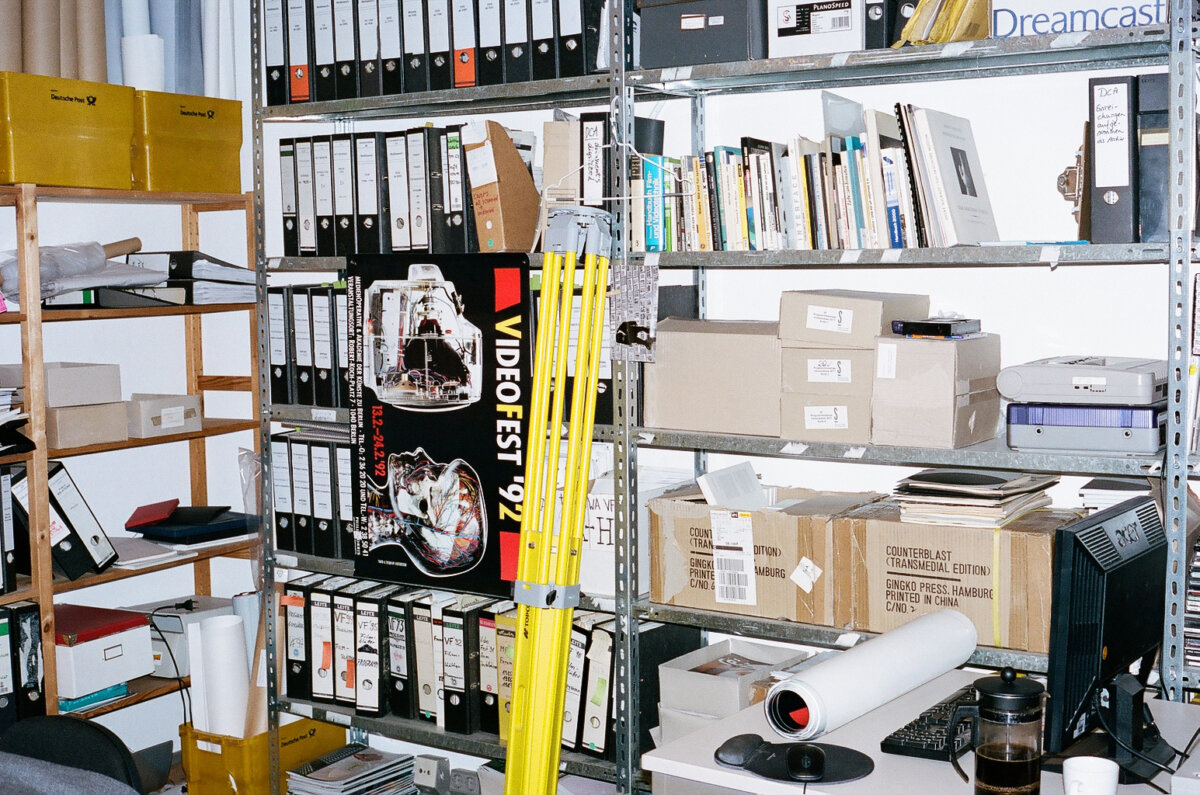
transmediale was founded in 1988 as VideoFilmFest (as of 1989 simply VideoFest), a special video and media art programme within the Berlinale’s International Forum of New Cinema. Co-founder and artistic director Micky Kwella and the independent video production group MedienOperative intended to create a platform for electronic media productions that usually fall outside the scope of traditional film festivals.
blue screen interviews
all festival trailers
all past festivals
The festival steadily expanded independently from the Berlinale. Initially dedicated to video culture, it early entered into a critical and artistic dialogue with television and multimedia, emerging as a leading international platform for media art. In 1997 the festival changed its name to transmedia, and in 1998 to transmediale, to reflect the expanding program, which now embraced a wide spectrum of multimedia-based art forms including Internet and software art.
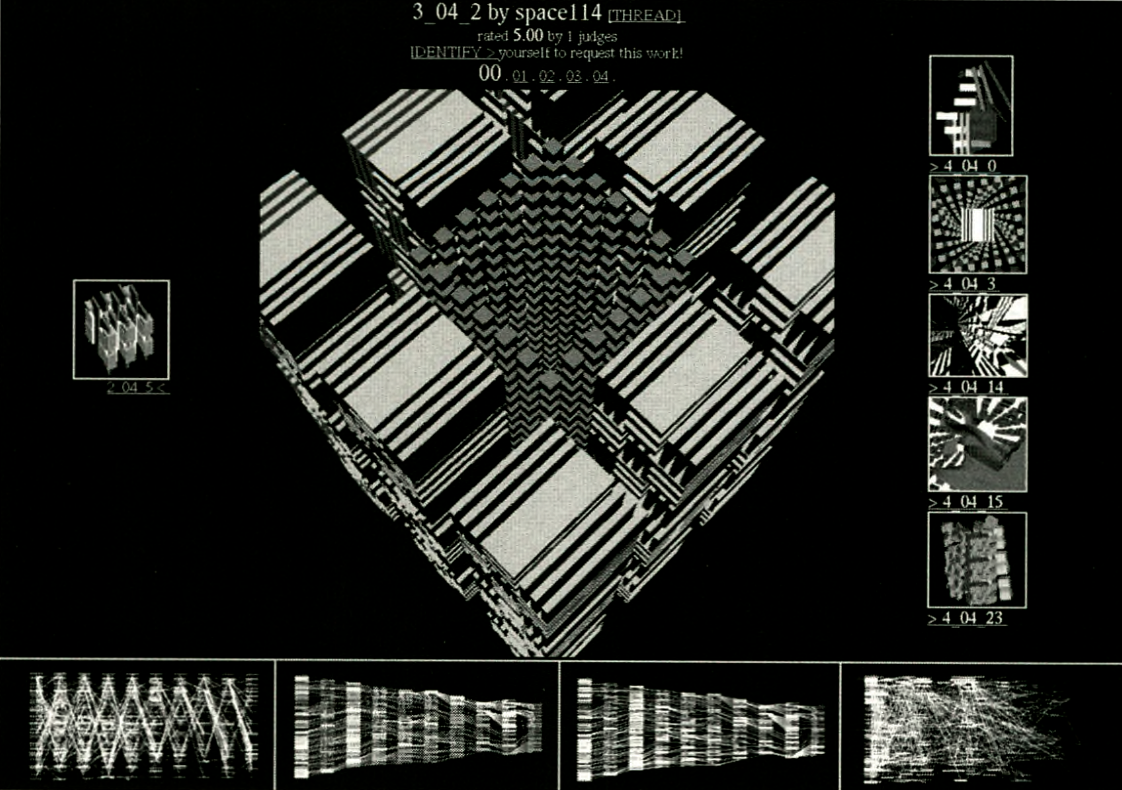
In 1999 club transmediale – as of 2011 called CTM – was founded. Focusing primarily on electronic music and club culture, it is now organised by a curatorially and financially independent team and has become a leading platform in its field. The festival connects multi-perspective experiences, critical reflection, hedonism, and collaborative learning via a yearly festival and continuous collaborative projects, publications, commissions, concerts, club nights, and more.
The appointment of Andreas Broeckmann as the new artistic director in 2001 was followed by a restructuring of transmediale. From this point on the festival would address annual themes opening up specific perspectives on relevant developments in media art and culture.
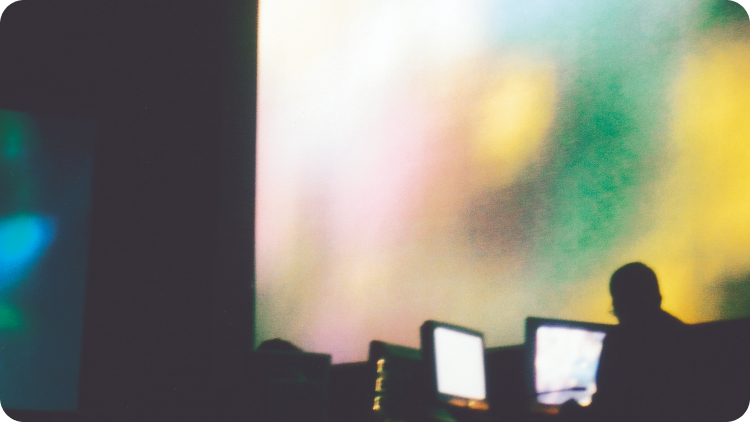
transmediale.01 focused on media developments and artistic projects in which visitors become users and/or producers. The pioneers of this active appropriation of digital technology are the DIYers and hackers who open up, convert, extend, and misuse computers, projectors and all sorts of electronic household equipment as well as software packages.
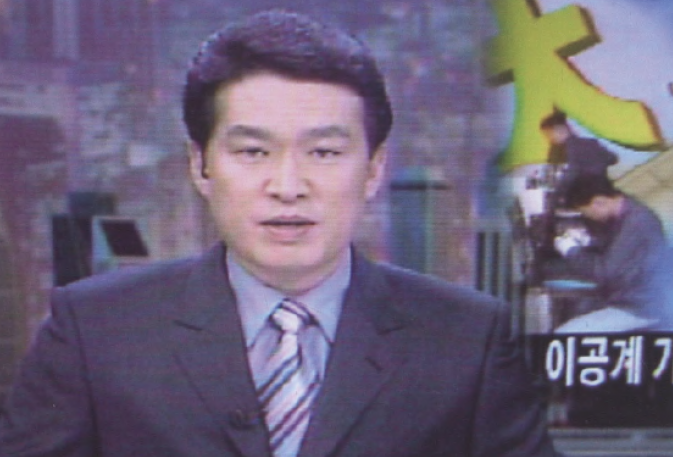
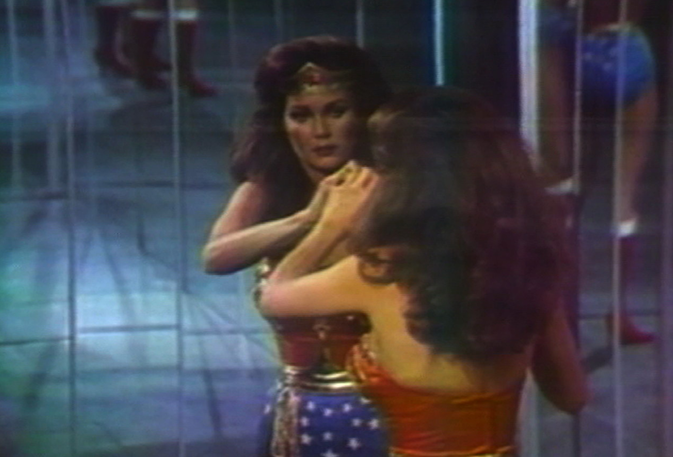
The exhibition explored various manifestations of SMILE MACHINES from the last four decades, including robots seeking to communicate with the visitors and failing to live up to the promises of an idealised, functionalist technology. Installation and performance pieces broke into the routines of cultural and political life, questioning the surfaces of our mass-mediated reality.
The festival relocated to the Haus der Kulturen der Welt in 2002, where its wide-ranging programme attracted an increasing number of visitors. It served as one of the main festival venues for the following years.
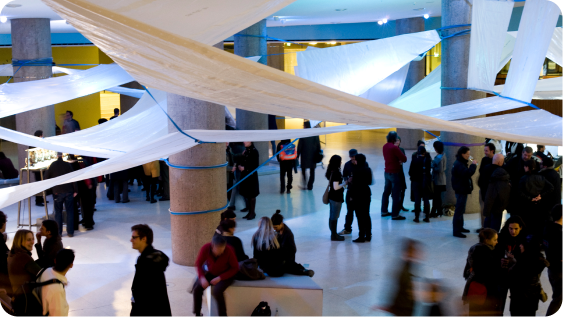
Two years later, in 2004, the Kulturstiftung des Bundes decided to include transmediale (alongside the documenta, the Berlin Biennale, and others) in their new funding for “beacons of contemporary culture”, a programme which continues to this day. In 2006, the subtitle of the festival changed from “international media art festival” to “festival for art and digital culture”. This title adaption reflects the expanding focus of the festival on the socio political dimensions of technological developments in our everyday life.
This period also marked the launch of the annual Marshall McLuhan Lecture in 2008. Every year, the McLuhan Lecture invites a unique Canadian cultural figure whose work and vision broadens Marshall McLuhan's timeless perspective of media and technology into contemporary culture and society.
Stephen Kovats was appointed as the artistic director in 2007. The same year, the transmediale Award (awarded since 2001) was amplified by the Vilém Flusser Theory Award due to a growing number of theoretical and critical works submitted for the competition. In 2011, the festival featured an Open Web Award presented to participatory projects that bridged art and community-building tools.
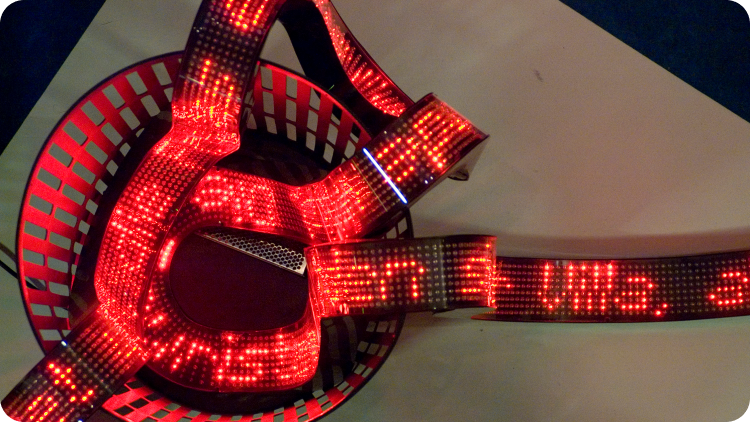
Under the motto CONSPIRE... transmediale.08 aimed at examining dubious worlds of story-telling and remote opinion making in order to look critically at those means of creative conspiratorial strategies that offer the potential to uncover new forms of expression in digital discourse. In a conference lasting for several days researchers and scientists argued about various topics concerning the threatening reality of ongoing conspiracy deriving from online-networks including the post 9/11 hysteria.
In order to reflect the increasing significance of theoretical and critical practice works submitted for the transmediale Award competition, the festival introduced the Vilém Flusser Theory Award. In collaboration with the Vilém Flusser Archive at the Universität der Künste Berlin, the award would honour outstanding theoretical or research-based digital arts practice. As of 2011, when Kristoffer Gansing was appointed as the new artistic director of the festival, the Vilém Flusser Theory Award was transformed into the Vilém Flusser Residency Programme for Artistic Research.
Kristoffer Gansings artistic direction started with the festival's 2012 edition, transmediale 2k12 in/compatible, shaping transmediale’s future and thematic focus for almost a decade. A new framework called reSource for transmedial culture was initiated, constituting an all-year platform of distributed projects for transmediale’s local and trans-local community. Since then, Gansings interest in intersections of media, art, and activism has manifested in the festival’s programmes with a methodology that focused on both curatorial development as well as participatory and experimental formats.
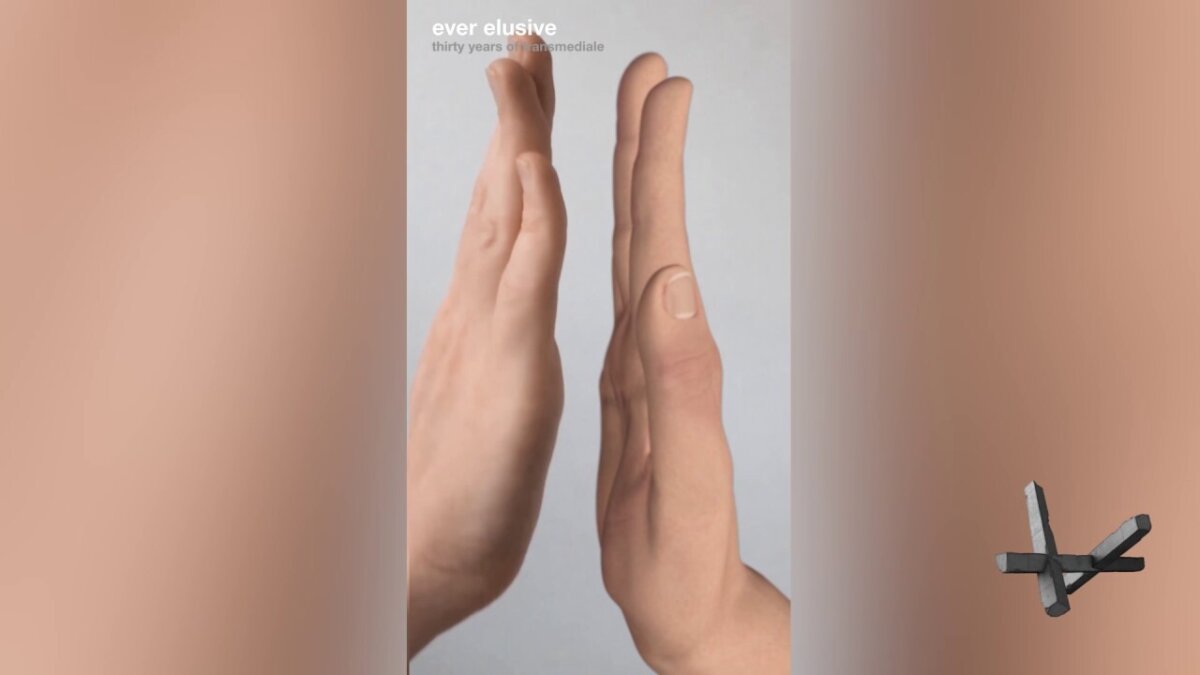
Under the title ever elusive , transmediale celebrated its 30 year anniversary with an entire month of activities. In the context of an always changing media culture, the anniversary looked at ongoing shifts in dialogue with the past.

The appointment of Nóra Ó Murchú as artistic director in 2020 marked new trajectories for the festival’s development. Her expertise in the intersections between the fields of art, design, software studies, and politics informed the conceptual arc of the following 4 years. Committed to developing long-term relationships with artists, Nóra O’ Murchú established a residency programme with new partners and institutions, and opened new ways of engaging with transmediale’s community and thinking through and with digital culture.
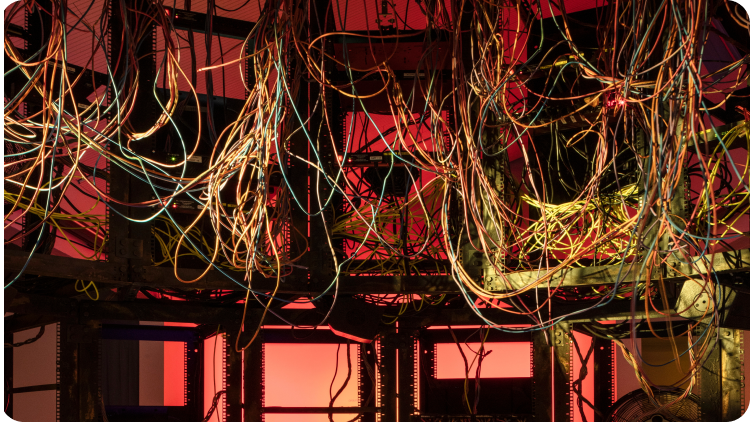
Responding to the urgencies and new temporalities of the pandemic, the festival had to rethink its format. for refusal, the 2021-2022 edition of transmediale, took place in over a year, featuring a mixture of both online and in-person programme, and an exhibition at Akademie der Künste. for refusal mapped out the political agency of refusal, exploring its potential to form new socio-political realities. The curated online platform Almanac for Refusal was updated monthly over the course of a year and was later published in a limited, hand-crafted edition.

The Almanac for Refusal is a curated online platformand source for festival documentation, updated regularly with the full moon. transmediale had also launched a limited, hand-crafted edition in the form of a microcomputer encased in a ceramic shell, acting as a portal to the full content of the Almanac. Continuing with the lunar publishing rhythm, the portal opens every full moon, only then granting access to the original files of the Almanac contributions. By 2023 the festival had returned to its status of an annual in-person event. The festival significantly widened its scope of programme diversity, including more performative interventions, a more expansive exhibition programme and new formats taking place city-wide.
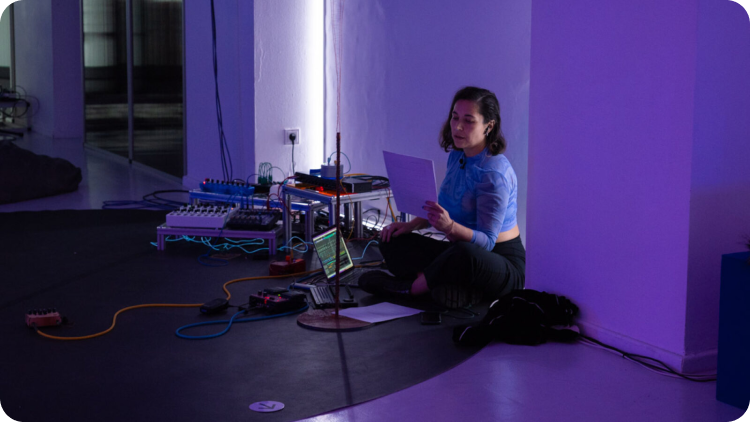
The residency programme expanded significantly since 2020, focusing on long-term relationships as well as more sustainable practices with artists from around the world. This included the development of collaborations with a variety of new partners, allowing a much wider scope of artists and scholars to participate.