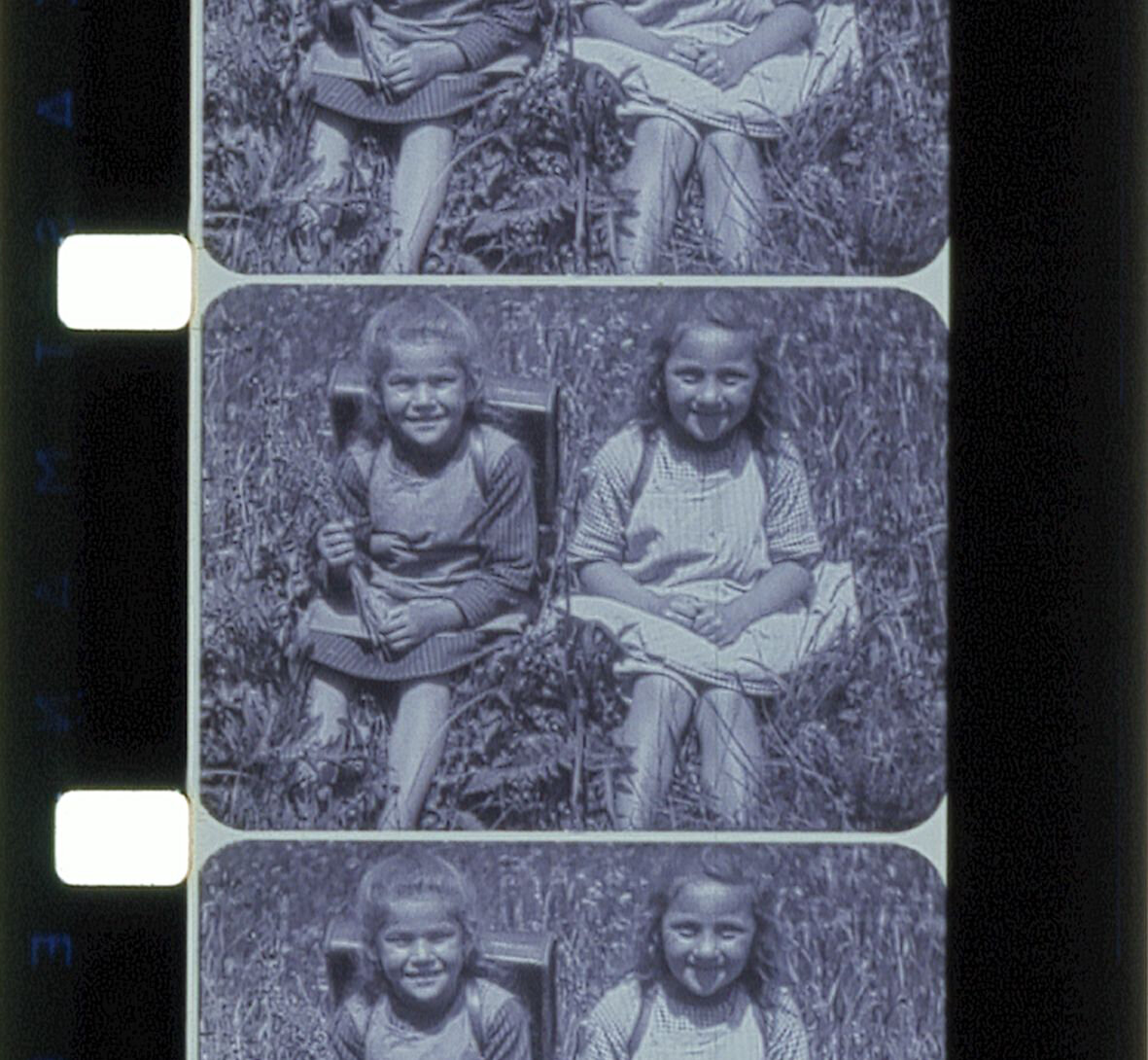
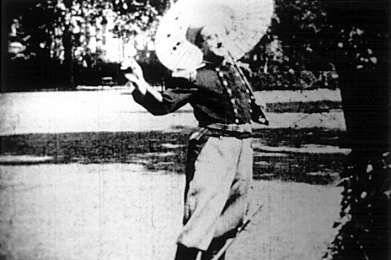
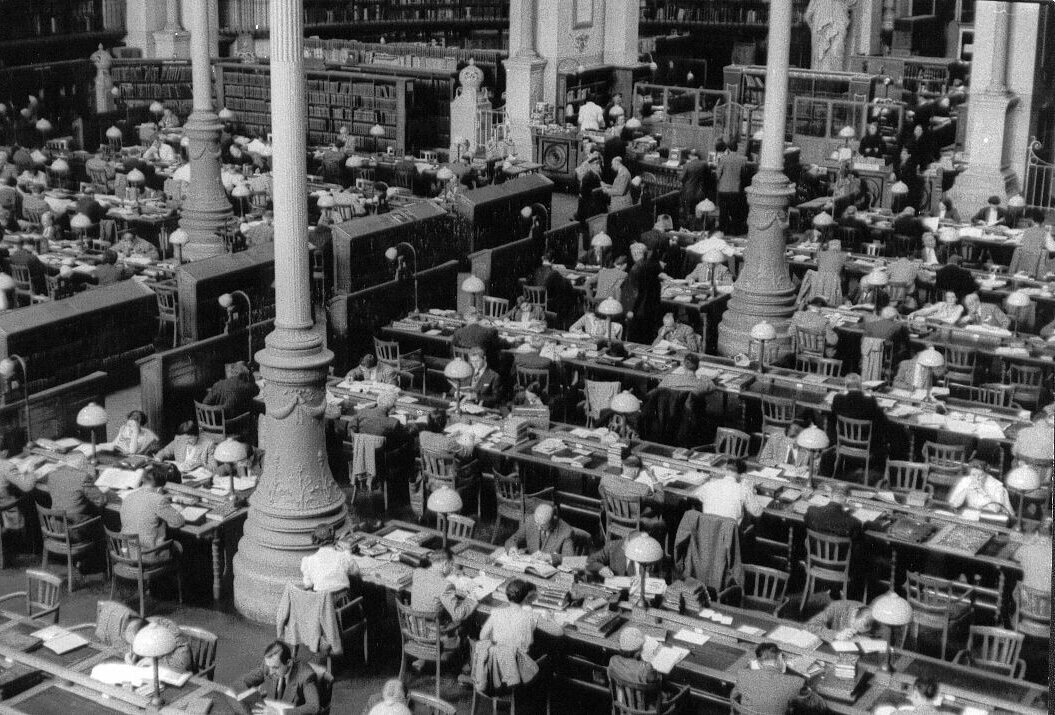
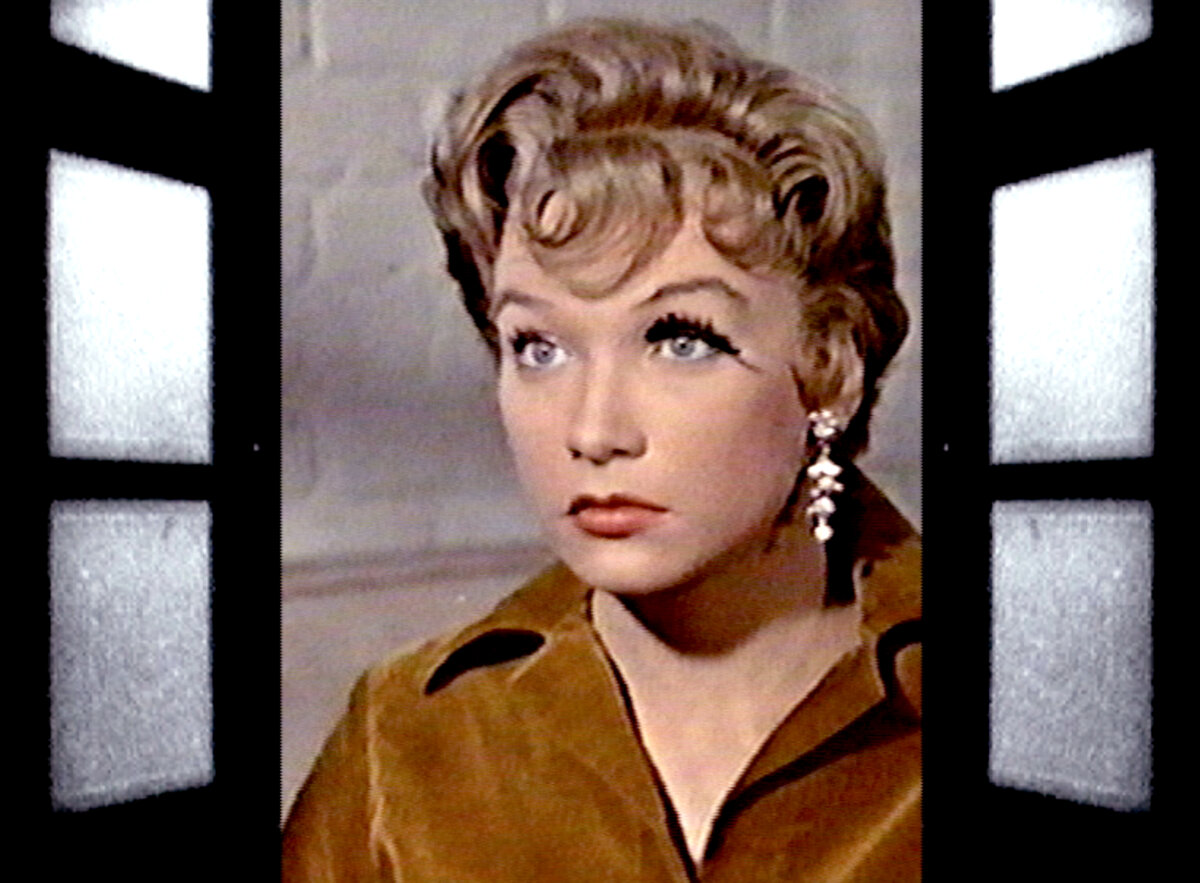
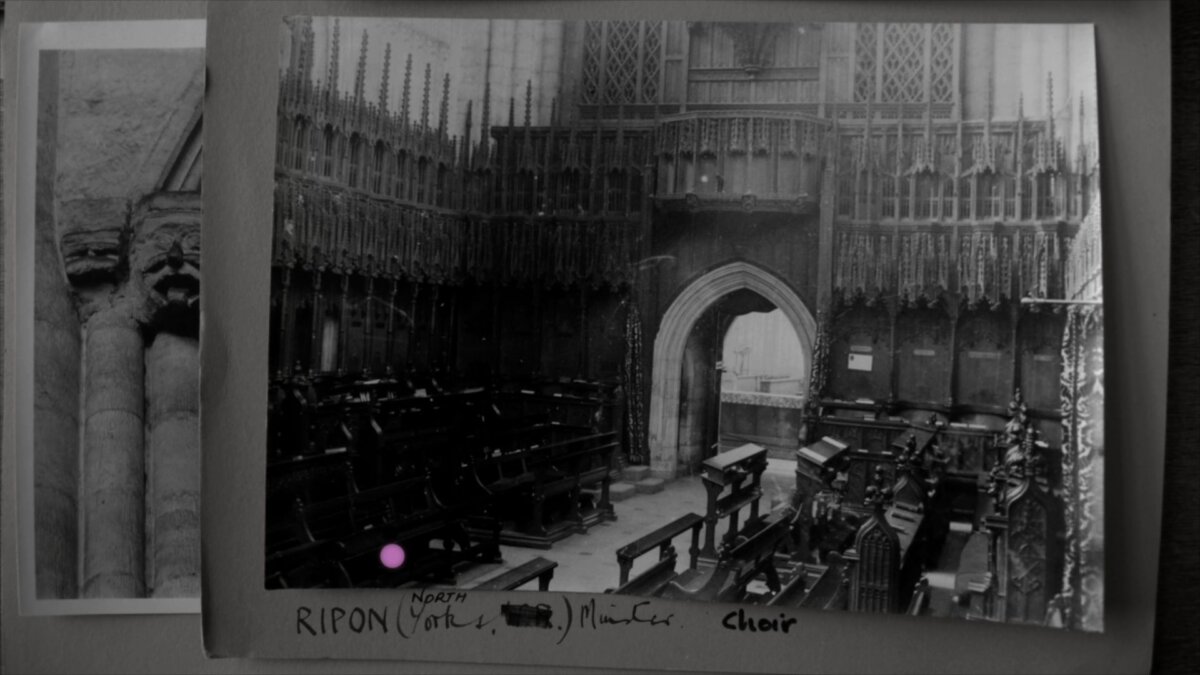
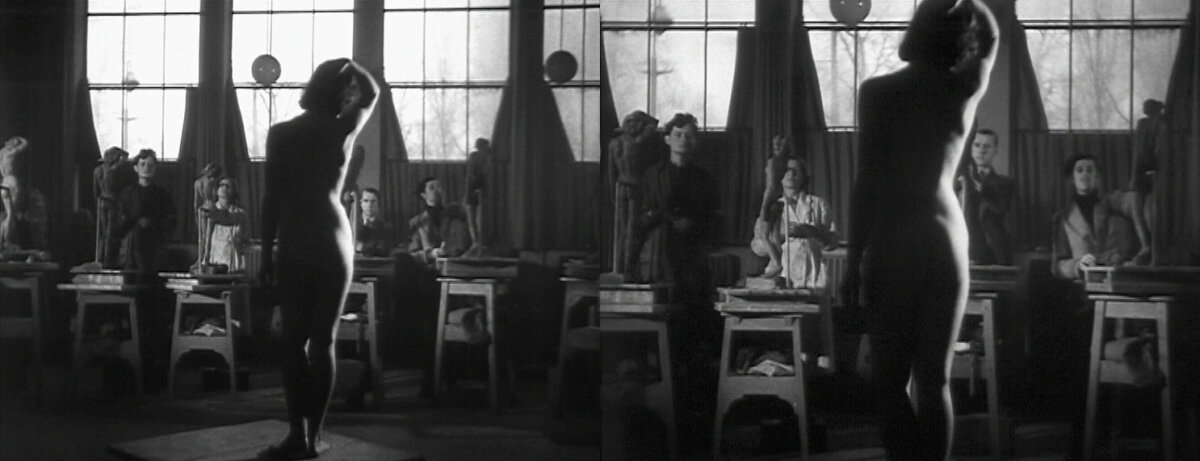
BWPWAP, archives were the world’s central reservoirs of knowledge. This program spans the film medium as archive to films about libraries, museums and academies. In 1927, when moving from Munich to Berlin, Oskar Fischinger did not have any money, neither for a ticket nor photonegatives. So he crossed Germany by foot and on this Munich-Berlin journey used his film camera like a photographic notebook. Thus, the predecessor to the diary genre was born. With early cinema, the success of colonial travel films also began; people were eager for moving images from around the world. Crossing the Great Sagrada, as the first found-footage film in history uses means of montage to satirize the genre. Toute la mémoire du monde shows—in the entirety of pathos of the Great Nation—how one of the largest libraries in human history is organized. The National-Socialist Haus der Kunst in Munich was dedicated to the great and everlasting. In Eyewitness, the building is contrasted against detested American mass culture. The Woolworths Choir of 1979 interweaves three strands of narrative—the story of sacral 13th century choir architecture, a pop choir and a department store fire—into an oscillating form of narrative presentation. The found-footage installation The Eternal Lesson moves in the space between original and copy, where art students copy replicas of classical masterpieces.
Walking from Munich to Berlin – München-Berlin Wanderung, Oskar Fischinger, de 1927, 5 min
Crossing the Great Sagrada, Adrian Brunel, uk 1924, 15 min *
Toute la mémoire du monde, Alain Resnais, fr 1956, 21 min
Eyewitness – Augenzeugen, Klaus vom Bruch, de 1993, 7 min
The Woolworths Choir of 1979, Elizabeth Price, uk 2012, 20 min
The Eternal Lesson, Christoph Girardet, de 2012, 7 min
* with live piano accompaniment by Peter Gotthardt
...BWPWAP waren Archive die zentralen Wissensspeicher der Welt. Dieses Programm spannt einen Bogen vom Medium Film als Archiv bis hin zu Filmen über Bibliotheken, Museen und Akademien. 1927 hatte Oskar Fischinger bei seinem Umzug von München nach Berlin kein Geld, weder für ein Ticket, noch für Fotonegative. Also durchquerte er ganz Deutschland zu Fuß und nutzte für die München-Berlin Wanderung seine Filmkamera als fotografisches Notizbuch. So entstand dieser Vorläufer des Diary-Genres. Mit dem frühen Kino begann auch der Erfolg des kolonialen Reisefilms, die Menschen waren begierig auf bewegte Bilder aus aller Welt. Crossing the Great Sagrada nutzt als erster Found-Footage-Film der Geschichte die Mittel der Montage, um das Genre zu persiflieren. Toute la mémoire du monde zeigt im ganzen Pathos der Grande Nation die Organisation einer der damals größten Bibliotheken der Menschheit. Dem Großen und Ewigen war das nationalsozialistische Haus der Kunst in München gewidmet, in Augenzeugen wird es mit der verhassten Massenkultur der Amerikaner kontrastiert. The Woolworths Choir of 1979 verwebt drei Erzählstränge – die Geschichte einer sakralen Chorarchitektur aus dem 13. Jahrhundert, einen Pop-Chor und einen Kaufhausbrand – zu einer oszillierenden Form der Geschichtsdarstellung. Im Raum zwischen Kopie und Original bewegt sich die Found-Footage-Installation The Eternal Lesson, in der Kunststudenten Repliken klassischer Meisterwerke kopieren.
Walking from Munich to Berlin – München-Berlin Wanderung, Oskar Fischinger, de 1927, 5 min
Crossing the Great Sagrada, Adrian Brunel, uk 1924, 15 min
Toute la mémoire du monde, Alain Resnais, fr 1956, 21 min
Eyewitness – Augenzeugen, Klaus vom Bruch, de 1993, 7 min *
The Woolworths Choir of 1979, Elizabeth Price, uk 2012, 20 min
The Eternal Lesson, Christoph Girardet, de 2012, 7 min
* mit Live-Begleitung am Piano durch Peter Gotthardt