To address the current rise of fascism, one needs to consider its multiple “faces,” derivatives, and ways of operation. With far-right political parties finding their way into state parliaments and groups of white supremacists becoming more and more influential, fascist ideologies are expanding to a dangerous extent. Their manner of organization on a transnational level is facilitated by online communities and platforms—there, fascist formations are given the opportunity to continuously adapt and transform. In these digital spaces, such factions often purposefully blur the distinctions between themselves and the groups they target, arguing that above all, they are fighting the inequalities of neoliberalism. But how different are the new faces of fascism compared to their predecessors, who were claiming “revolutionary” action? The panel will study the contemporary facets of fascist movements and their zones of influence, and examine possible counteroffensive forms of ideological and political organization, addressing, too, the role of “weak resistance.”
The Many Faces of Fascism was coproduced with The Influencers / Asociación d-i-n-a as part of The New Networked Normal with the support of the Creative Europe program of the European Union.
The European Commission’s support for the production of this publication does not constitute an endorsement of its contents, which only reflect the views of the authors; the Commission cannot be held responsible for any use that may be made of the information contained therein.

Um dem derzeitigen Aufstieg des Faschismus entgegenzutreten, muss man seine vielen „Gesichter“ betrachten, seine Derivate und Arbeitsweisen. Faschistische Ideologien breiten sich in gefährlichem Maße aus: Rechtsextreme Parteien bahnen sich einen Weg in Parlamente und White-Supremacy-Gruppierungen gewinnen mehr und mehr Einfluss. Ihre Organisationsweise auf transnationaler Ebene wird durch Online-Communitys und -plattformen begünstigt; dort wird faschistischen Formationen die Gelegenheit geboten, sich fortlaufend anzupassen und zu verwandeln. In diesen digitalen Räumen verwischen solche Gruppen häufig vorsätzlich die Grenzen zwischen sich und denjenigen, auf die sie abzielen – unter der Behauptung, sie bekämpften in erster Linie die Ungleichheitsverhältnisse des Neoliberalismus. Aber wie stark unterscheiden sich diese neuen Gesichter des Faschismus von ihren Vorgängern, die noch „revolutionäres“ Handeln forderten? Das Panel wird die Facetten heutiger faschistischer Bewegungen sowie ihrer Einflussbereiche erforschen und mögliche Gegenoffensiven erwägen. Zudem soll die Rolle eines „schwachen Widerstands“ – der Machtlosen und Marginalisierten – thematisiert werden.
The Many Faces of Fascism wurde gemeinsam mit The Influencers / Asociación d-i-n-a im Rahmen von The New Networked Normal mit Unterstützung durch das Creative Europe-Programm der Europäischen Union produziert.
Dieses Projekt wurde mit Unterstützung der Europäischen Kommission finanziert. Die Verantwortung für den Inhalt dieser Veröffentlichung tragen allein die Verfasser_innen; die Kommission haftet nicht für die weitere Verwendung der darin enthaltenen Angaben.

Related Media
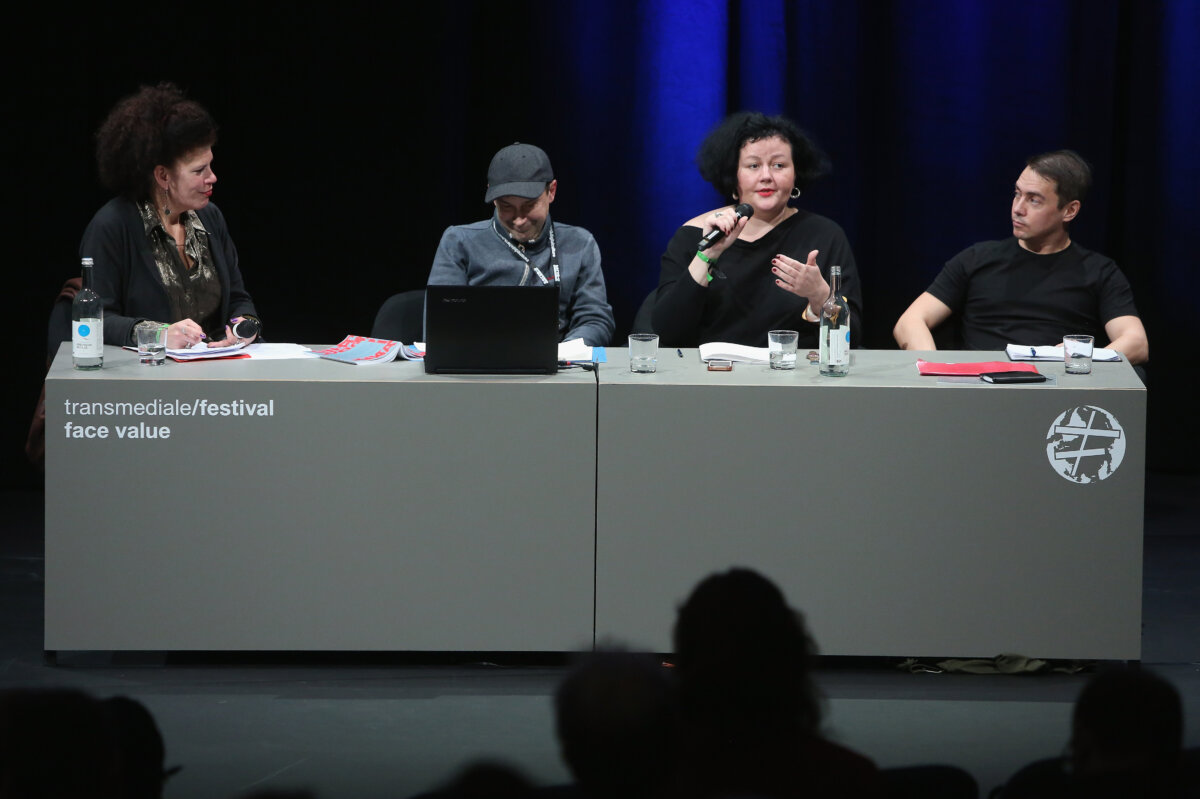 Diana McCarty, Alex Foti, Ewa Majewska, and Rasmus Fleischer (left to right) at the panel "The Many Faces of Fascism"
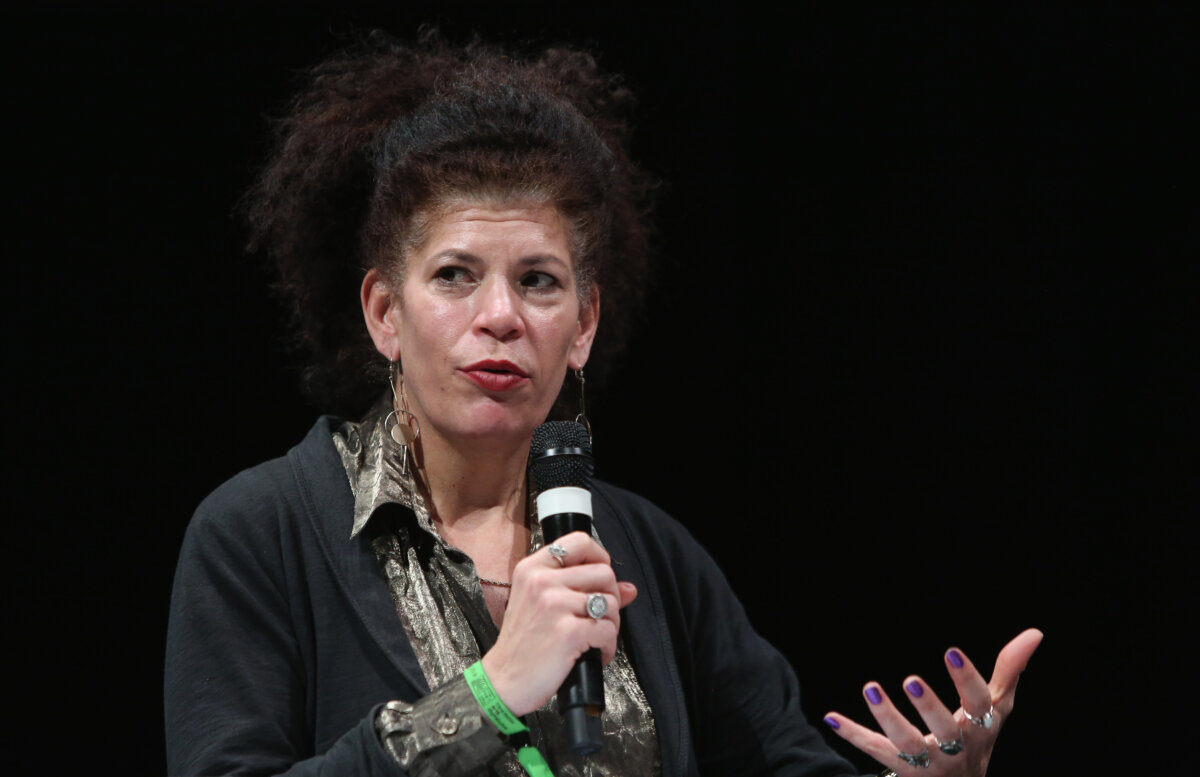 Diana McCarty at the panel "The Many Faces of Fascism"
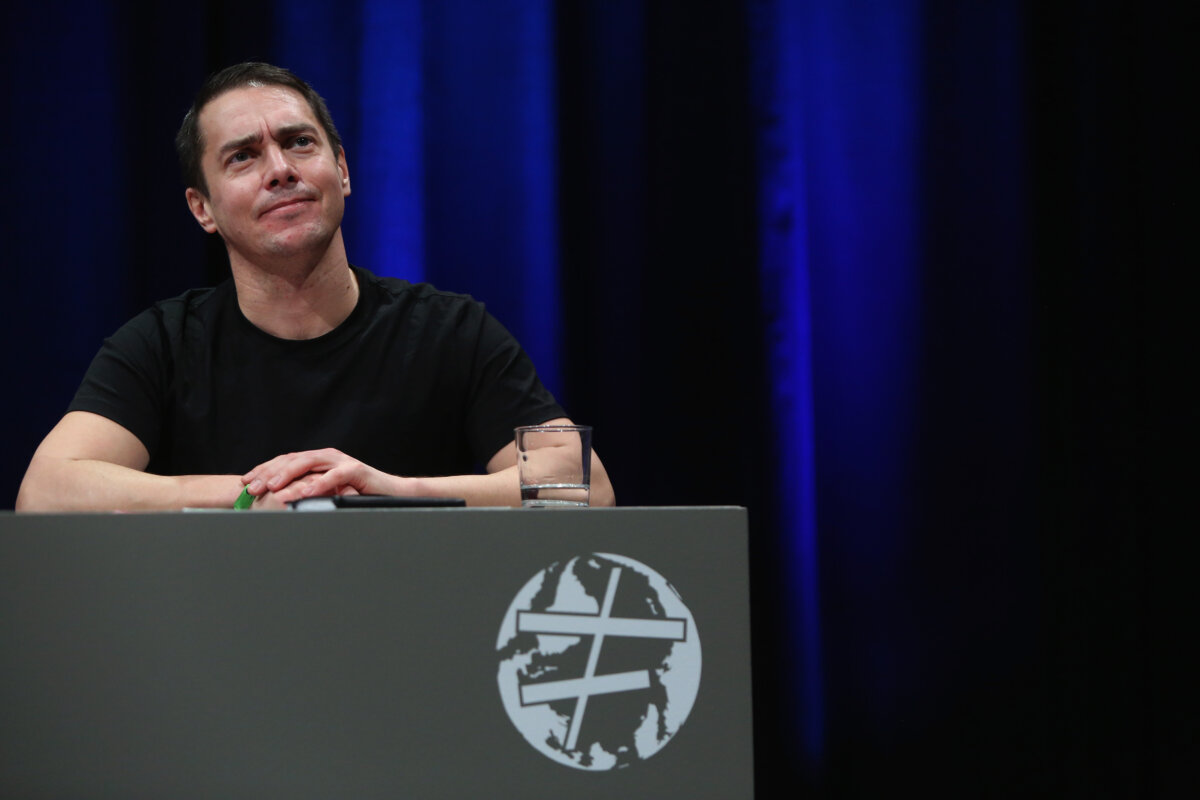 Rasmus Fleischer at the panel "The Many Faces of Fascism"
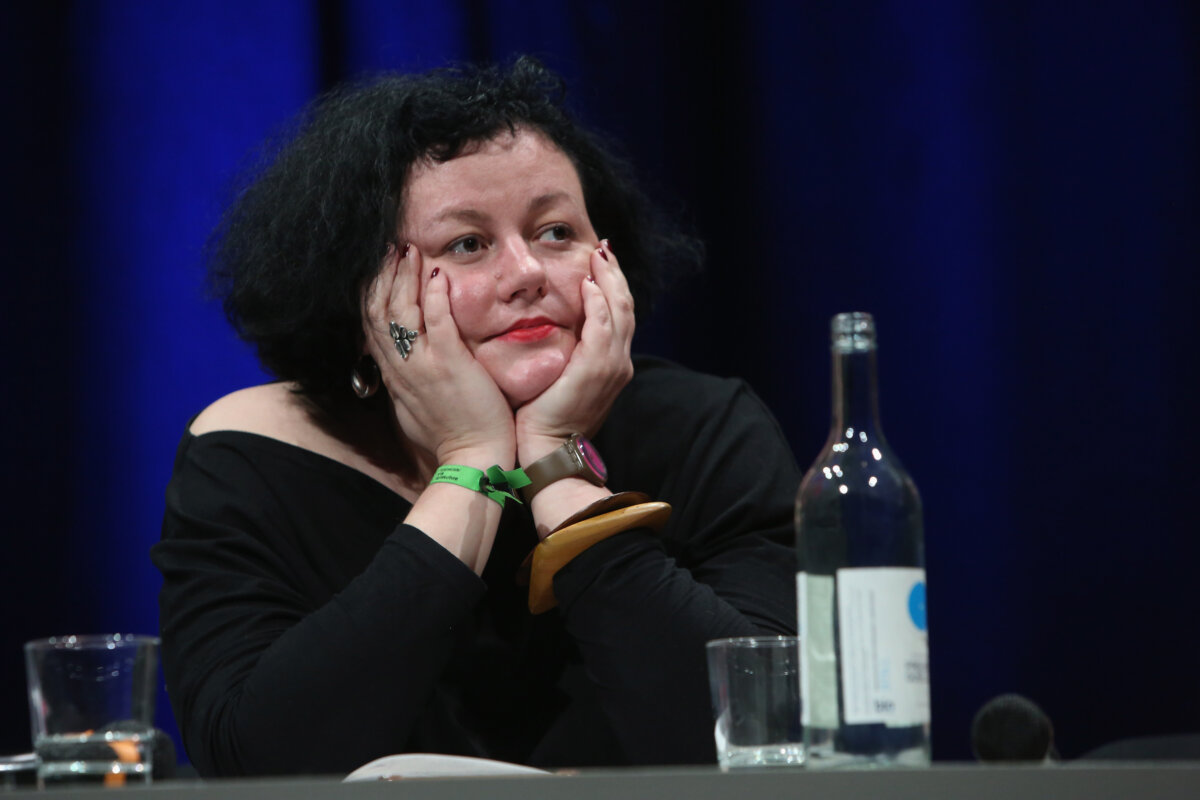 Ewa Majewska at the panel "The Many Faces of Fascism"
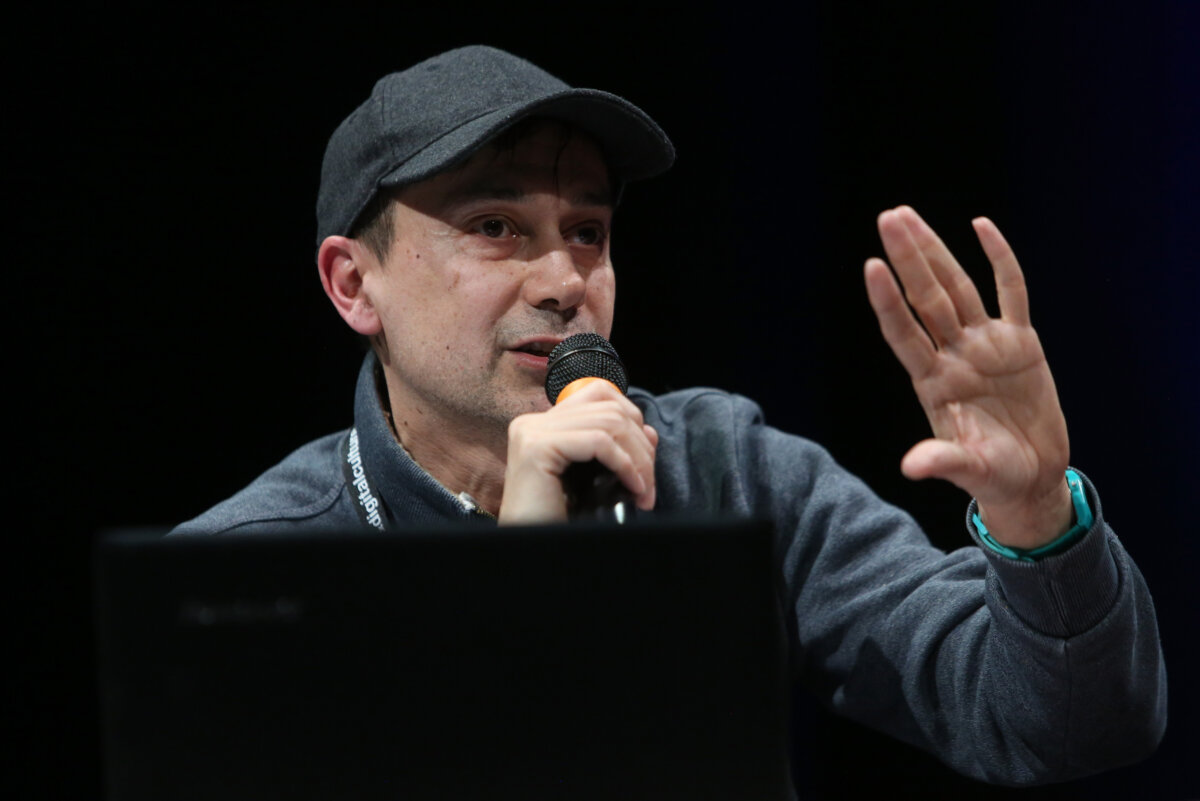 Alex Foti at the panel "The Many Faces of Fascism"
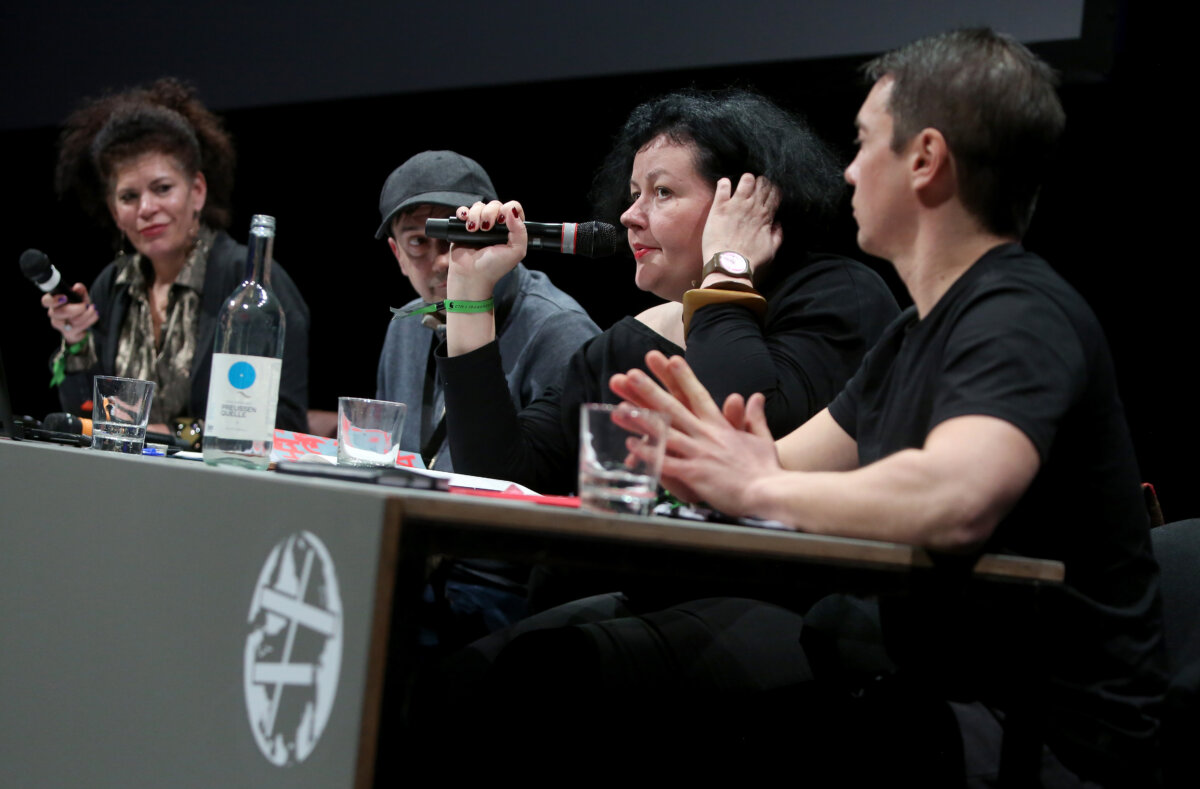 Panelists of "The Many Faces of Fascism"
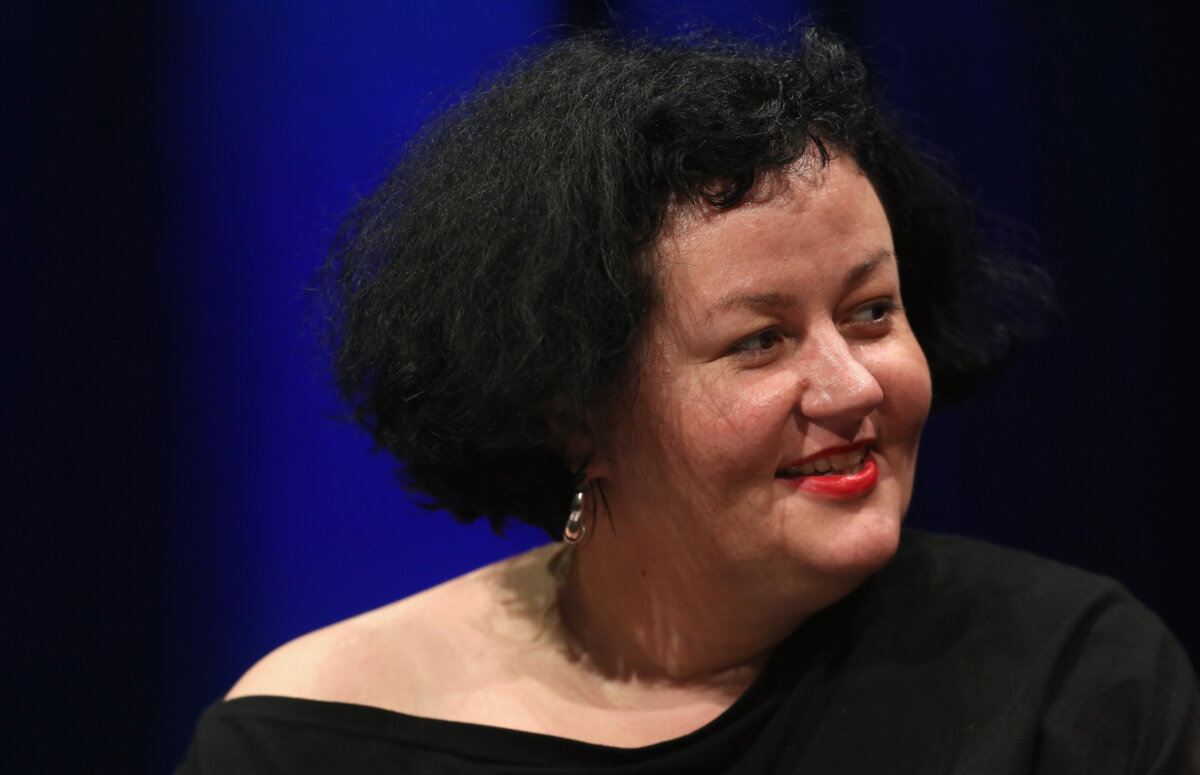 Ewa Majewska at the panel "The Many Faces of Fascism"
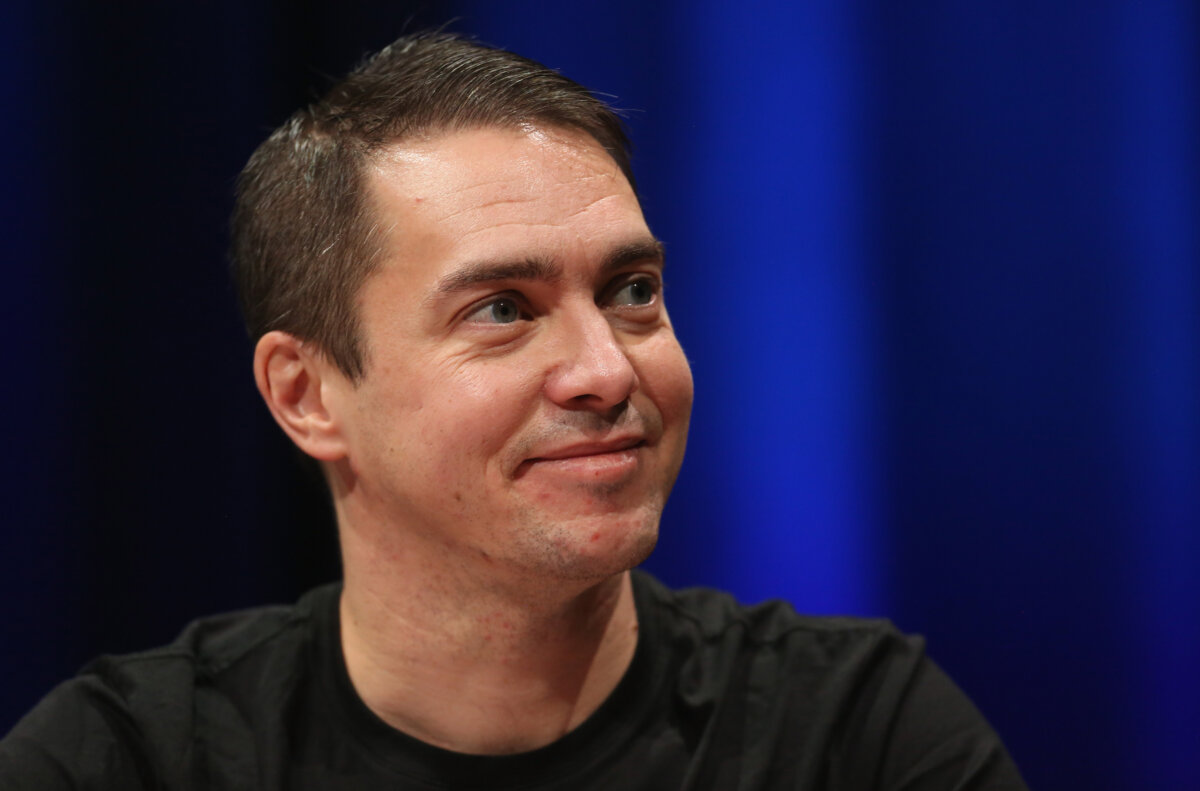 Rasmus Fleischer at the panel "The Many Faces of Fascism"
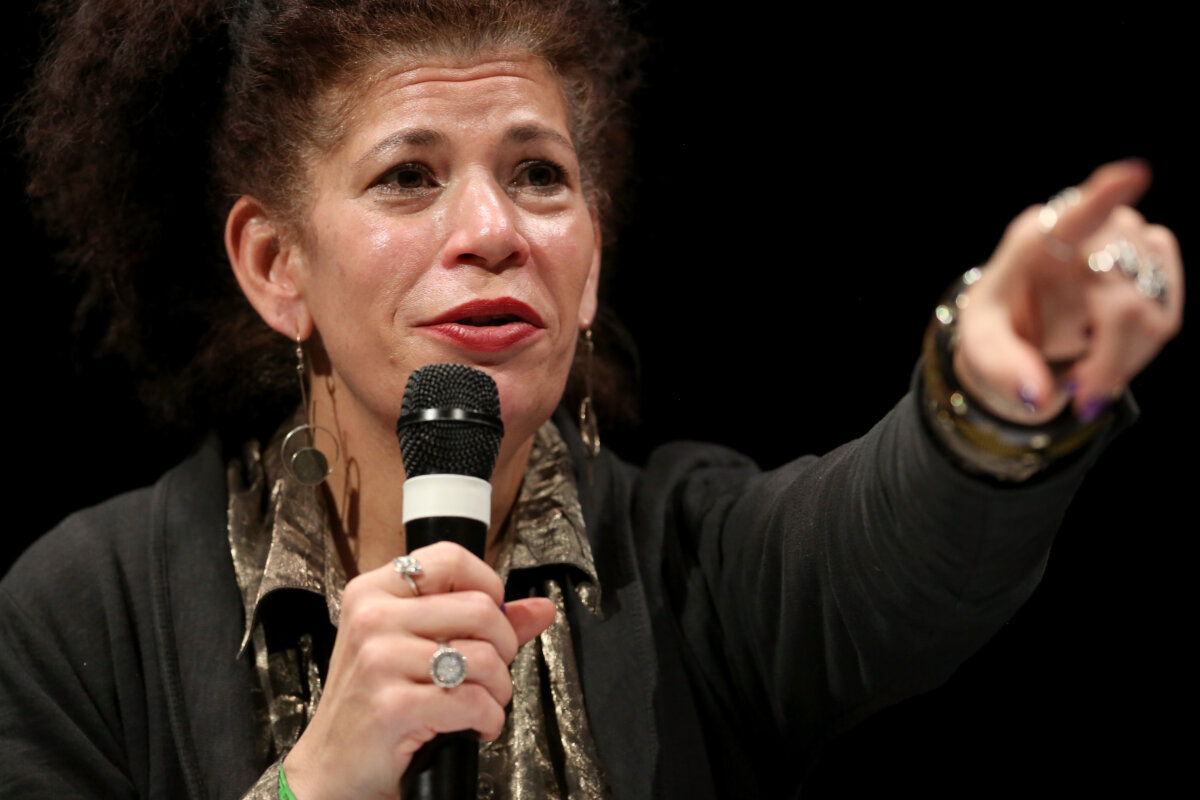 Diana McCarty at the panel "The Many Faces of Fascism"
- The Many Faces of Fascism