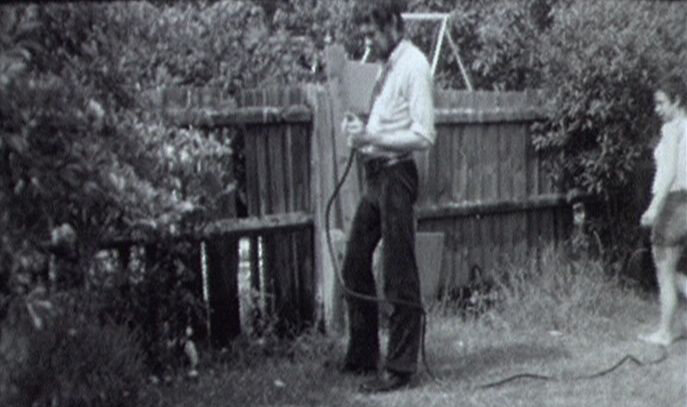
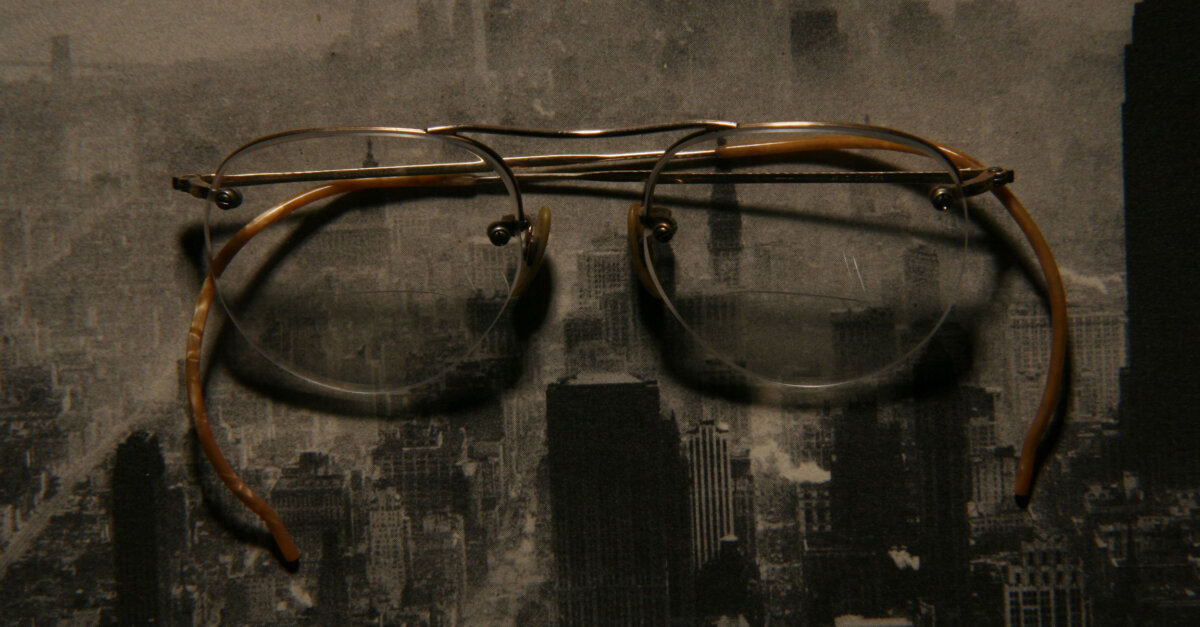
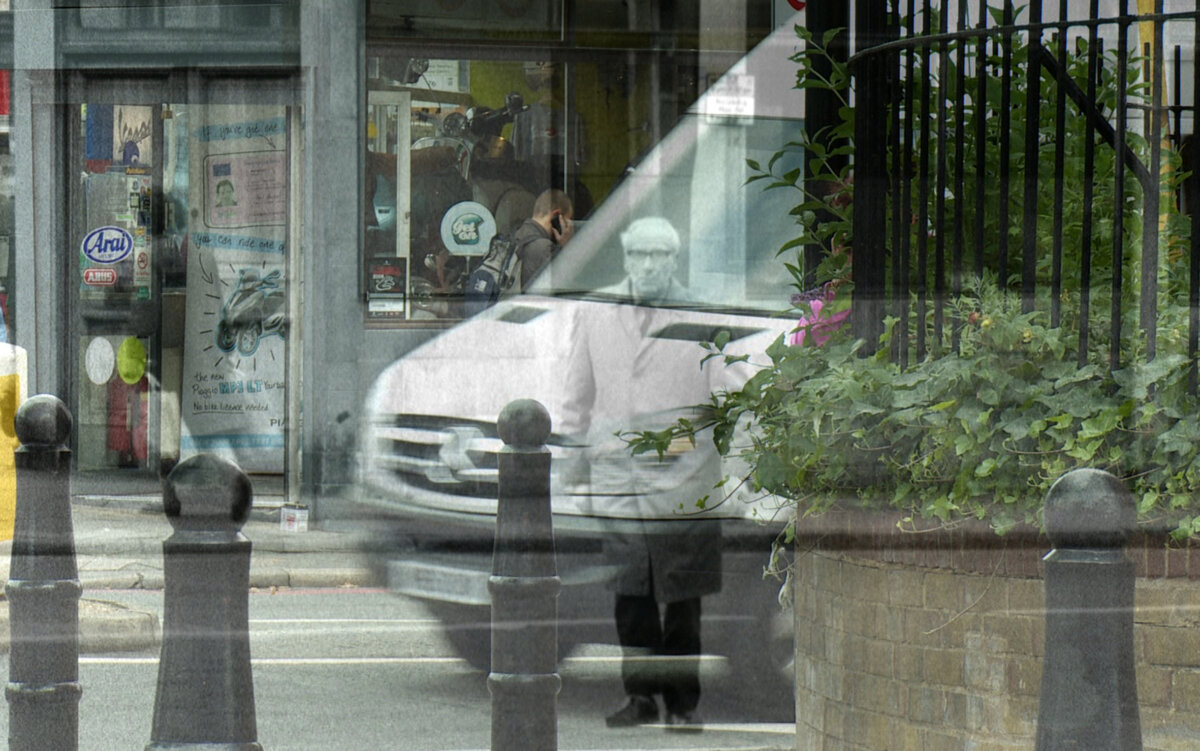
In commercial film, a remake of successful material is routine. Studios assume (and they are usually right) that the original has been forgotten anyway, at least in cinema. Art films are totally different. The value of a work increases with age. If the work has not completely disappeared from the screen, then it becomes worthy of a museum and thus becomes an “eternal” component of a canon. The remake of an artistic work is not directed toward the public; it is the artist’s imaginary dialogue with a stranger’s (or even his or her own) work. After Lumière - L’Arroseur arrosé picks up a classic from early cinema and tells a made-up story behind the famous images. The title, Return to the World of Dance (borrowed from the idea of a monster-film series) describes a series made over the course of a decade about the public’s relationship to contemporary dance. Hollywood Movie stages Nam June Paik’s aggressive directorial instructions to viewing mainstream films with the stars of exactly these films and thus leads the avant-garde back into the arms of entertainment. Well Then There Now is the animation of an unrealized film script by John Zorn from the 1980s. In The Man Phoning Mum, the artist projects new, color material on his black and white classic from the 1970s. XXX! is based on a 16-mm roll of film from the artist’s archive that has never been used before and which is refilmed from the projection screen with a digital camera. Thus the dying medium of film is transferred to a new format.
After Lumière – L'Arroseur arrosé, Malcolm Le Grice, uk 1974, 14 min
Return to the World of Dance, Dan Boord and Luis Valdovino and Marilyn Marloff, us 2011, 7 min
Hollywood Movie, Volker Schreiner, de 2012, 7 min
Well Then There Now, Lewis Klahr, us 2011, 14 min
The Man Phoning Mum, John Smith, uk 2011, 12 min
XXX!, Dietmar Brehm, at 2011, 8 min
Im kommerziellen Film ist das Remake eines erfolgreichen Stoffes alltäglich, die Studios gehen – meist zu Recht – davon aus, dass das Original inzwischen ohnehin vergessen sei, zumindest im Kino. Ganz anders ist das im künstlerischen Film. Hier steigt der Wert eines Werkes mit dem Alter. Wenn die Arbeit nicht völlig von der Bildfläche verschwindet, wird sie museal und damit „ewiger“ Bestandteil des Kanons. Das Remake einer künstlerischen Arbeit richtet sich nicht an das Publikum, es ist ein imaginärer Dialog des Künstlers mit einem fremden oder sogar seinem eigenen Werk. After Lumière – L'Arroseur arrosé greift einen Klassiker des frühen Kinos auf und erzählt eine erfundene Geschichte hinter den bekannten Bildern. Der an Monsterfilmserien angelehnte Titel Return to the World of Dance beschreibt eine über ein Jahrzehnt gehende Serie von Arbeiten über das Verhältnis des Publikums zum zeitgenössischen Tanz. Hollywood Movie inszeniert Nam June Paiks aggressive Handlungsanweisung zum Betrachten von Mainstreamfilmen mit den Stars eben dieser Filme und führt die Avantgarde so wieder in die Arme des Entertainments zurück. Well Then There Now ist die Animation eines nicht realisierten Filmskripts von John Zorn aus den 1980er Jahren. In The Man Phoning Mum projiziert der Künstler das neue, farbige Material auf seinen Schwarzweiß-Klassiker aus den 1970er Jahren. XXX! basiert auf einer niemals verwendeten 16-mm-Rolle aus dem Archiv des Künstlers, die dieser mit einer digitalen Kamera von der Leinwand abfilmt und so das sterbende Medium Film in ein neues Format überführt.
After Lumière – L'Arroseur arrosé, Malcolm Le Grice, uk 1974, 14 min
Return to the World of Dance, Dan Boord and Luis Valdovino and Marilyn Marloff, us 2011, 7 min
Hollywood Movie, Volker Schreiner, de 2012, 7 min
Well Then There Now, Lewis Klahr, us 2011, 14 min
The Man Phoning Mum, John Smith, uk 2011, 12 min
XXX!, Dietmar Brehm, at 2011, 8 min