Conference Stream Play
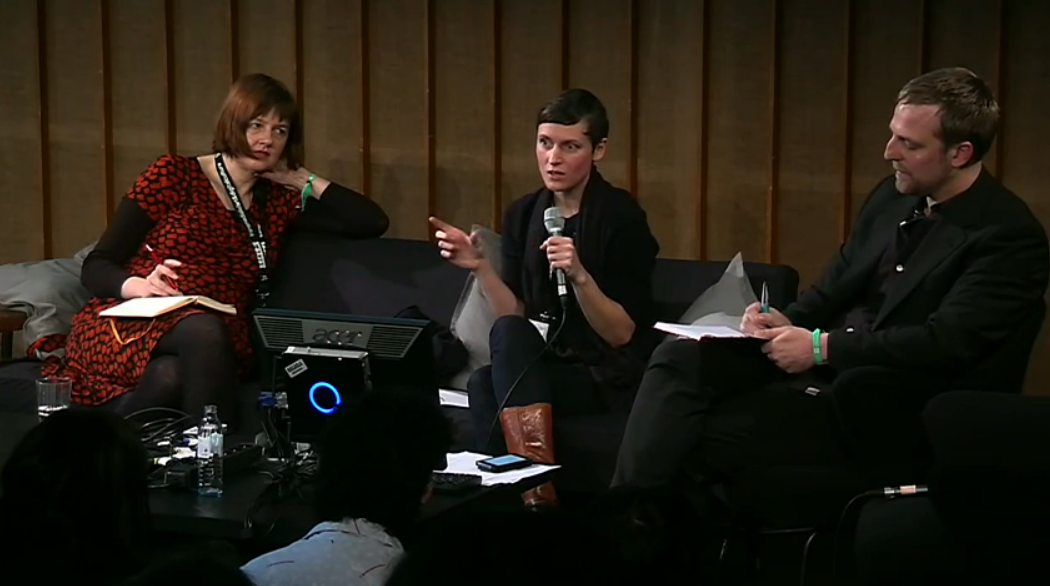
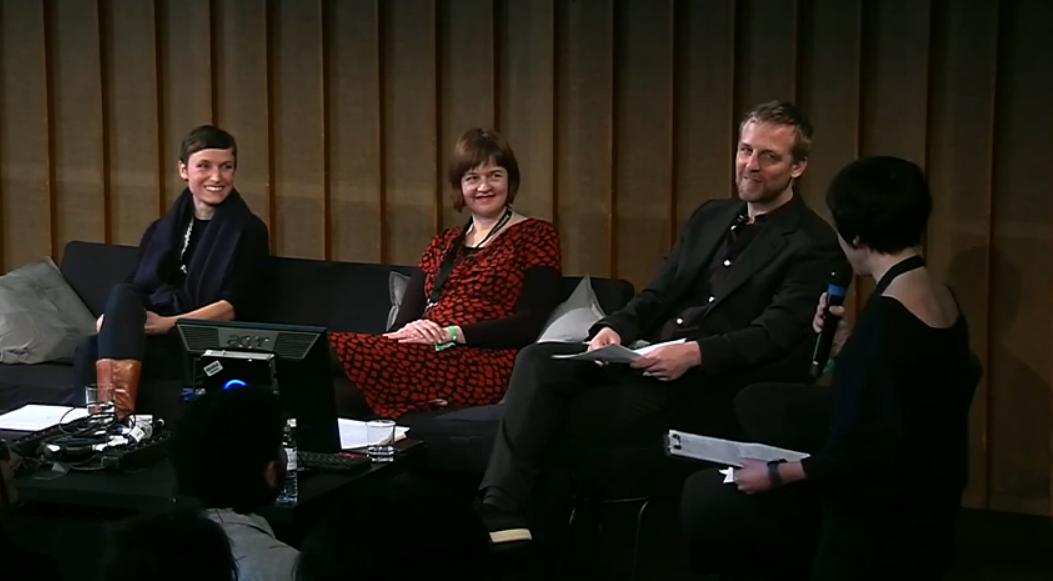
There is more to games than the use of game mechanics and reward systems. If gamification is a capture all strategy which facilitates the datafication and commodification of everything, this does not mean that we are condemned to some sort of ludic decadence. It all depends on whom the game-like elements come to serve; while game-based data aggregation might be raising issues of concern, at the same time a new form of what we can call ‘play commons’ is strenghtenened, which relies on the abundance and sociability of play itself. With the participation of artists who have been using play as a form for their artistic practice, the panel will look into how shared visions or P2P practices can be used to construct playful yet possible scenarios for social and urban spaces. Embracing collective thought and action, the speakers will present how future scenarios and solutions can be collaboratively imagined, built and played. The new politics of play highlight that we need to find ways to start from users’ and citizens’ desires to respond to the urge for a participatory user and citizen-driven world.
Conference Stream Play
Spiele sind mehr als nur Spielregeln und Belohnungssysteme. Obwohl Gamifizierung eine Capture All-Strategie ist, die Datenerfassung und Kommodifizierung erleichtern soll, heißt das nicht, dass wir zu einer Art ludischer Dekadenz verurteilt sind. Alles hängt davon ab, wer die spielerischen Elemente anbietet; während durch Spiele entstandene Datenanhäufungen Sorgen hervorrufen, wird gleichzeitig eine neue gemeinschaftliche Form des Spiels gestärkt: „play commons”, basierend auf der Vielfalt und Geselligkeit des Spielens. Im Panel sprechen auch Künstlern, die Spiele als eine Form der künstlerischen Praxis verwenden; so wird untersucht, wie gemeinsame Weltvorstellungen oder Peer-to-Peer-Praktiken verwendet werden können, um spielerisch mögliche Szenarien sozialer und urbaner Räume zu entwickeln. Indem sie gemeinsame Gedanken und Ideen aufgreifen, werden die Vortragenden präsentieren, wie Zukunftsszenarien und Problemlösungen kollaborativ erstellt und durchgespielt werden können. Die neue Politik des Spiels zeigt, dass wir ausgehend von den Wünschen der Benutzer und Bürgern neue Wege finden müssen, um auf die Notwendigkeit für die Partizipation des Users und eine von den Bürgern gelenkte Welt zu reagieren.