Navigation has typically involved something more technical than biological, especially in relation to traversing and remembering spaces. From compass, map, and astrolabe to GPS, humans have relied on a variety of devices to get themselves or their projectiles from here to there. But these tools are not the only game in town – biological navigation, in fact, is crucial for the everyday life, movement, and survival of a myriad of species. Nowadays, this interplay between technical and biological navigation is increasingly blurry – every living thing that moves navigates with biological and technical sensors. What are the characteristics of navigation that we encounter along the gradient between the technical and the biological, between positioning and memory?
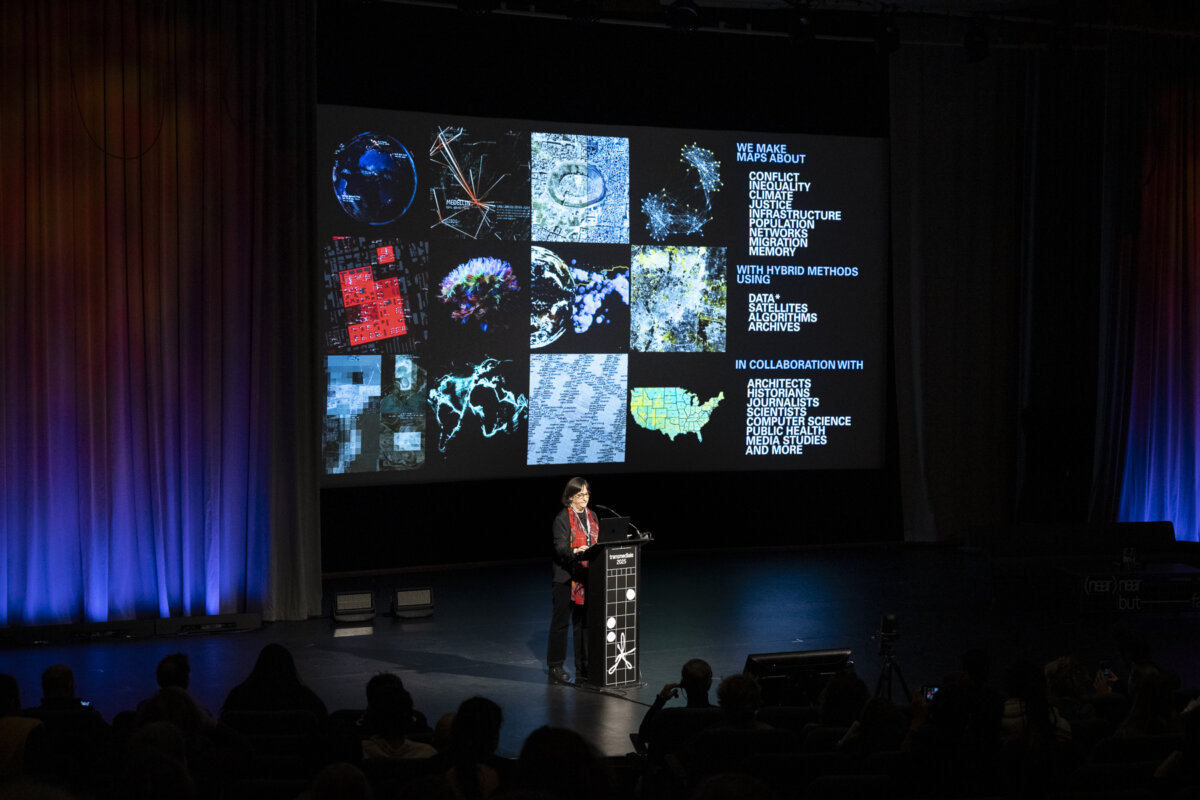
This talk, developed by Laura Kurgan for transmediale 2025, will put the discourse of cognitive mapping into dialogue with advances in neuroscience and artificial intelligence, where scientists now routinely speak of “GPS for the brain”. The goal is to account for a few important misalignments in the metaphors used to describe how the brain works, as well as revisit and critique the influence of “cognitive mapping” in architecture and urbanism today.
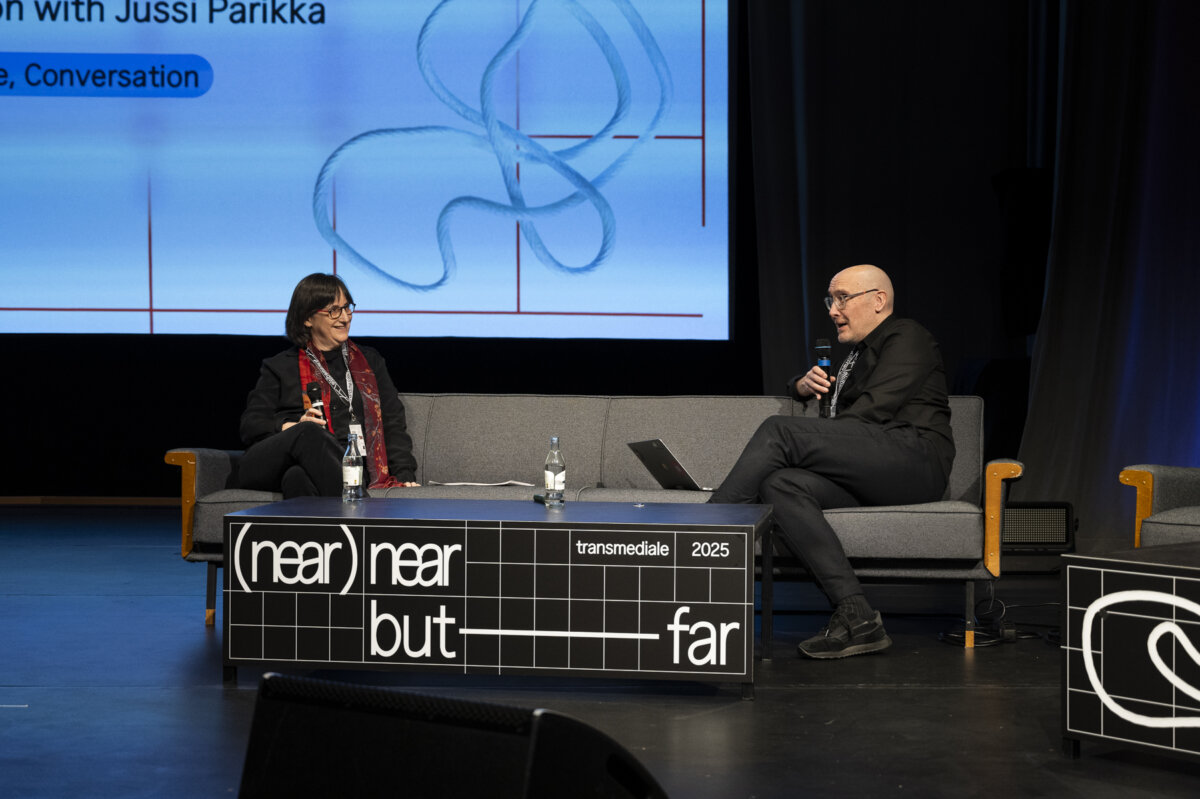
After the talk, Laura Kurgan will be joined in conversation with Jussi Parikka.