Across industry and academia, a curious trend has emerged. From OpenAI to law firms and sociologists to policy analysts, several expert groups have started using large language models (LLMs) to model human perspectives. In these manoeuvres, different model variants (and sometimes the same model ‘acting’ differently) are used to represent different viewpoints and sociopolitical positions. This lecture simply seeks to understand, contextualise, and investigate this phenomenon.
Ranjodh Singh Dhaliwal will look at the technical substrates of chatbots, which make them ripe for the use of 'personas,' a prompt engineering technique that instantiates different 'bots' from the same underlying AI model. Why, per prompt engineering, do LLMs uniquely need a persona? And what are the social, cultural, political, and affective implications of this world full of bots with personas? Staying with this question, Dhaliwal will then trace the spread of persona-bots in academic and corporate methodologies. Why and how he asks, do these communities expect (or desire) their bots to stand in for actual humans – be they sociological subjects or democratic actors – and how do such modes of thought succeed and fail? Drawing partially on collaborative work with AI researchers Felicia Jing and Juana Beccara Sandoval, he interrogates the kinds of intimacies assumed and generated by such artificial dissensus.
After the lecture, Tiara Roxanne will join Dhaliwal in conversation: If clustering humans and their opinions has always been a fraught task, could mapping nonhuman proxies be any different? What, after all, is agreement/disagreement or proximity/distance for machinic proxies?
Related Media
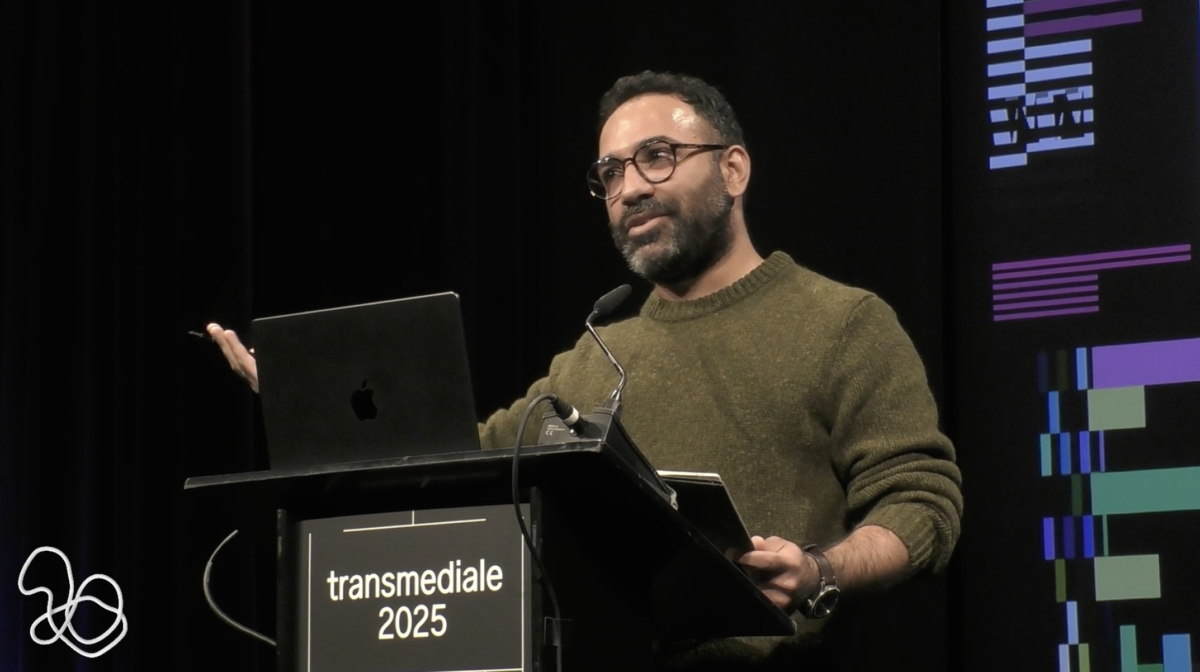 Generating an Artificial Democracy: On Sociological Intimacies of Bots and/as Personas
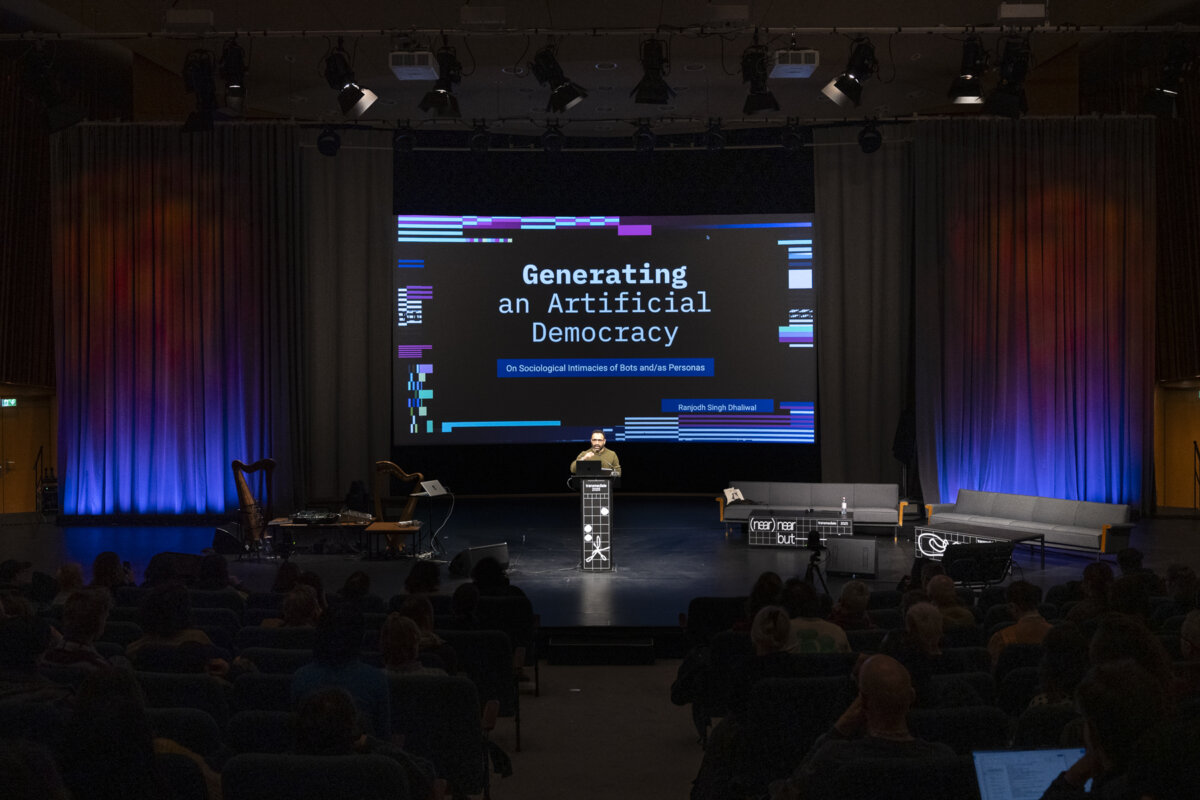 Ranjodh Singh Dhaliwal, Generating an Artificial Democracy: On Sociological Intimacies of Bots and/as Personas
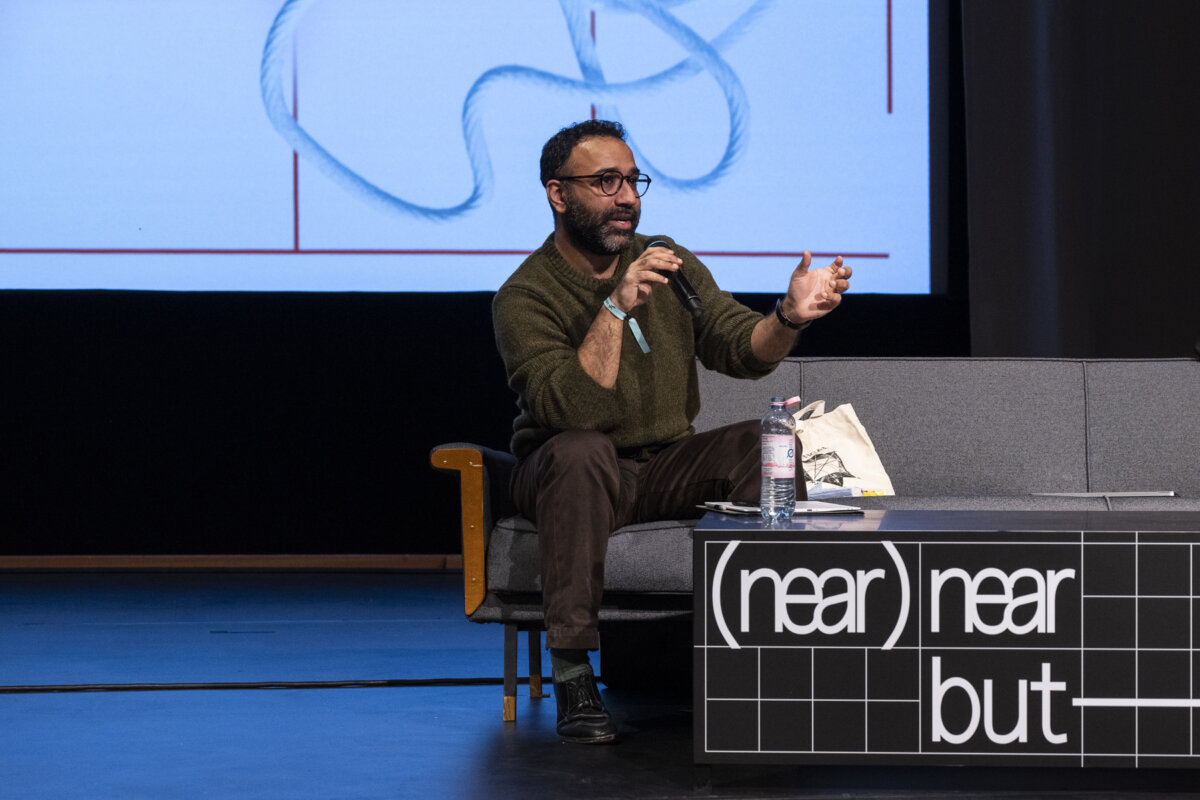 Ranjodh Singh Dhaliwal, Generating an Artificial Democracy: On Sociological Intimacies of Bots and/as Personas
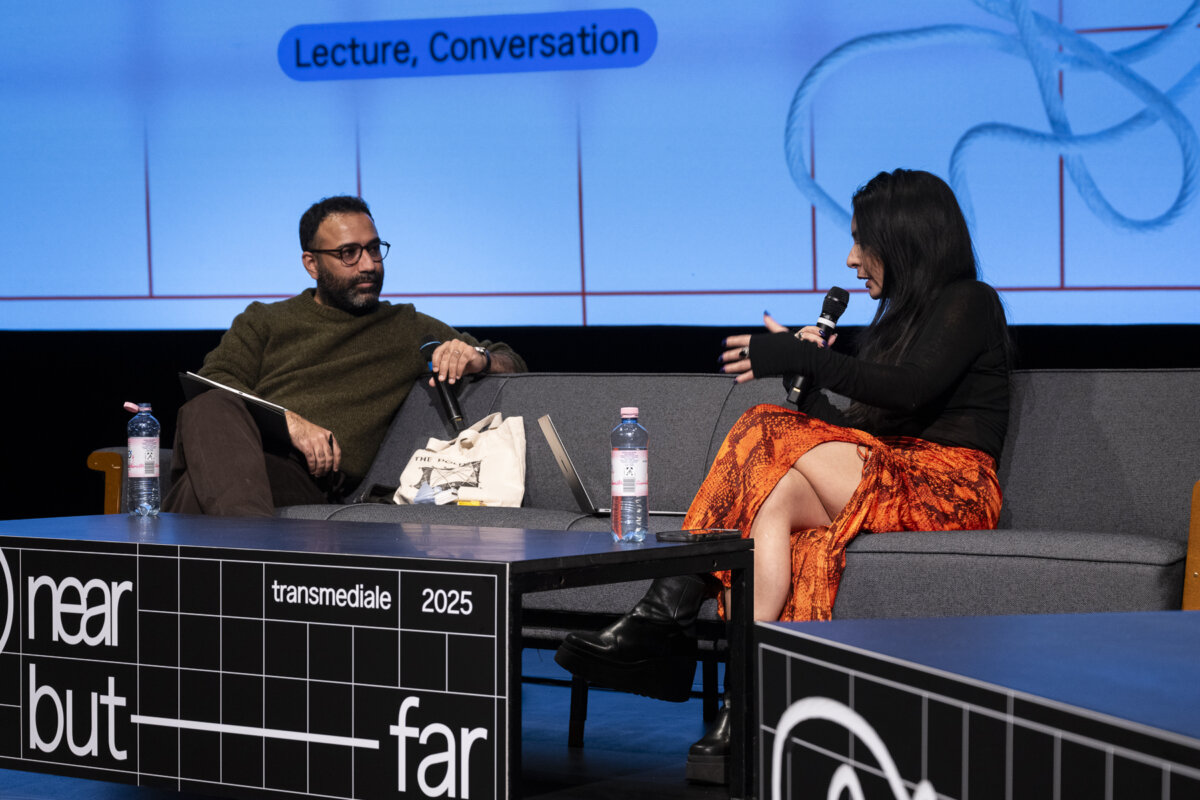 Ranjodh Singh Dhaliwal, Tiara Roxanne, Generating an Artificial Democracy: On Sociological Intimacies of Bots and/as Personas