mit Keiria Shishay, Camila Lombana Diaz
Moderiert von Tsige Tafesse
This panel brings together filmmaker Keiria Shishay, director of After the Abyss, and Camila Lombana Diaz, initiator of Ayni AI, in conversation about labour, technology, and collective reimagining.
After the Abyss follows former content moderators in Nairobi who suffer from PTSD after exposure to violent digital media and sheds light on their fight for better working conditions and legal redress against multinational tech platforms. The film becomes an audiovisual meditation on how digital systems both exploit and connect lives – revealing how labour that sustains global platforms often remains invisible and unprotected. Research on content moderation shows that these patterns of exploitation, precarious labour, and psychological harm also affect moderators in places like Colombia, where workers face low wages, dangerous workloads, and weak labour protections in outsourced digital work.
In dialogue with this context, Camila Lombana Diaz brings Ayni AI as an intervention rooted in reciprocity and mutual support rather than extractive logic. Ayni AI is inspired by the ancient Andean principle of Ayni, meaning mutual aid or reciprocity. It’s the belief that life thrives through cooperation, shared responsibility, and collective support. In Andean culture, Ayni is considered the most important foundation of life, guiding how people live, learn, work, and care for one another. Rooted in the harsh realities of high-altitude environments, this philosophy evolved as a survival system where human-to-human cooperation ensured community resilience and continuity. Ayni AI embodies this principle by positioning AI not as a tool of dominance or replacement, but as a collaborative partner designed to strengthen human connection, amplify shared knowledge, and enable communities to not just survive, but thrive together.
Moderated by Tsige Tafesse, the panel explores how technologies might be reimagined beyond exploitative labour regimes – asking how listening, reciprocity, and situated design can inform more humane systems of computation, media labour, and collective care. Together the discussion envisions alternatives that attend not only to the harms made visible in After the Abyss, but to the structural conditions that allow such harms to proliferate across borders and digital infrastructures.
Related Media
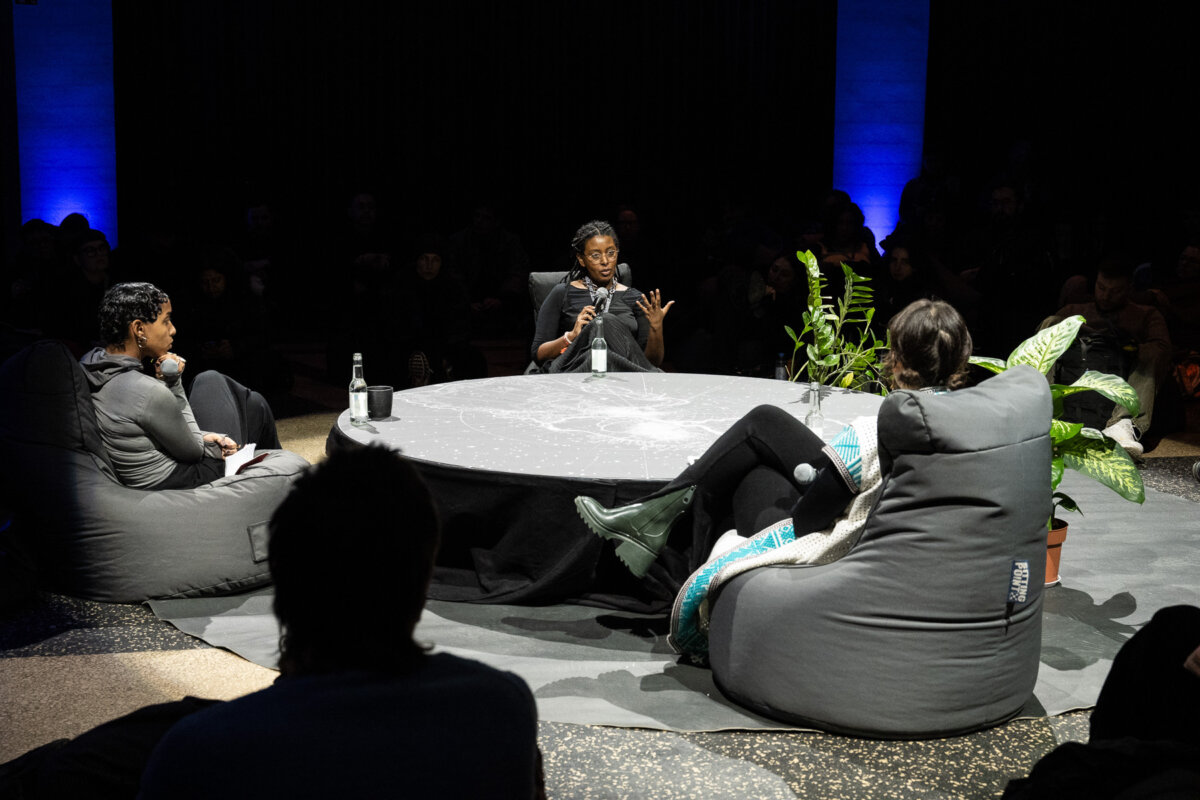 Tsige Tafesse, After the Feed: Digital Labour and Its Afterlives, Screening with Conversation at transmediale 2026
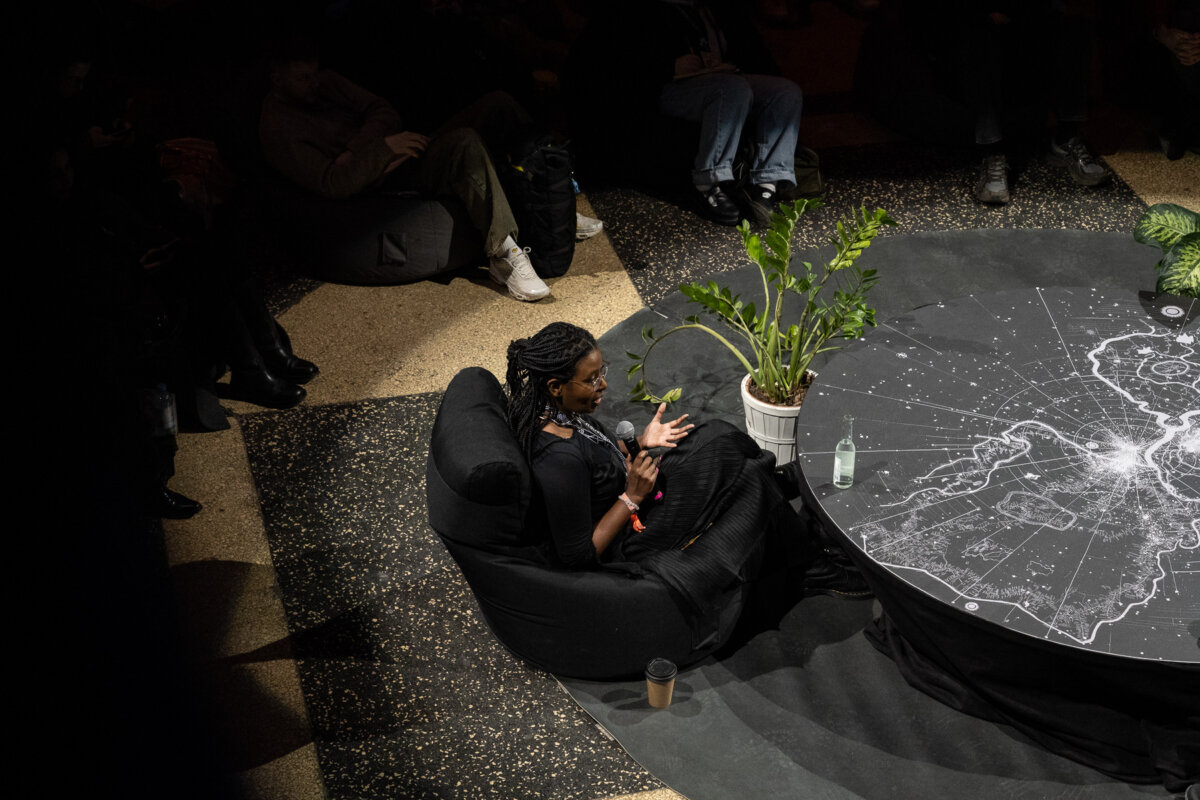 Keiria Shishay, Camila Lombana Diaz Moderated by Tsige Tafesse, After the Feed: Digital Labour and Its Afterlives, Screening with Conversation at transmediale 2026
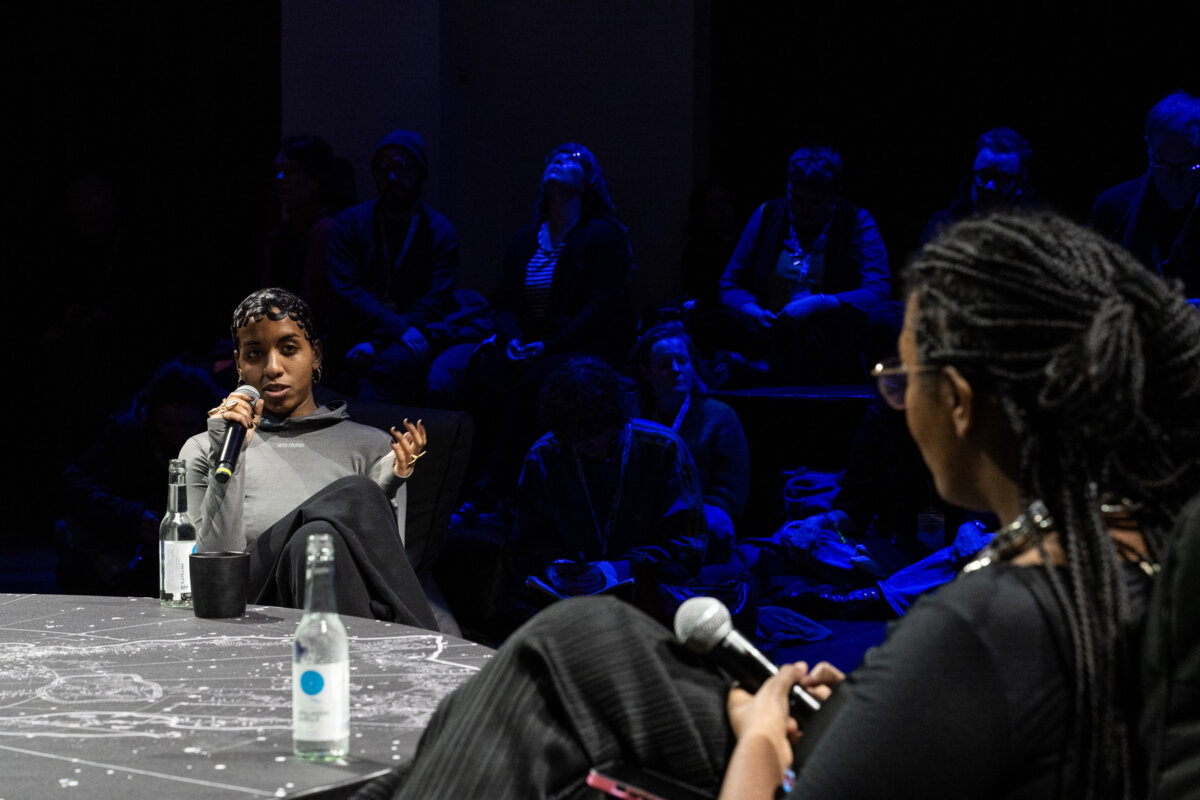 Keiria Shishay, Camila Lombana Diaz Moderated by Tsige Tafesse, After the Feed: Digital Labour and Its Afterlives, Screening with Conversation at transmediale 2026
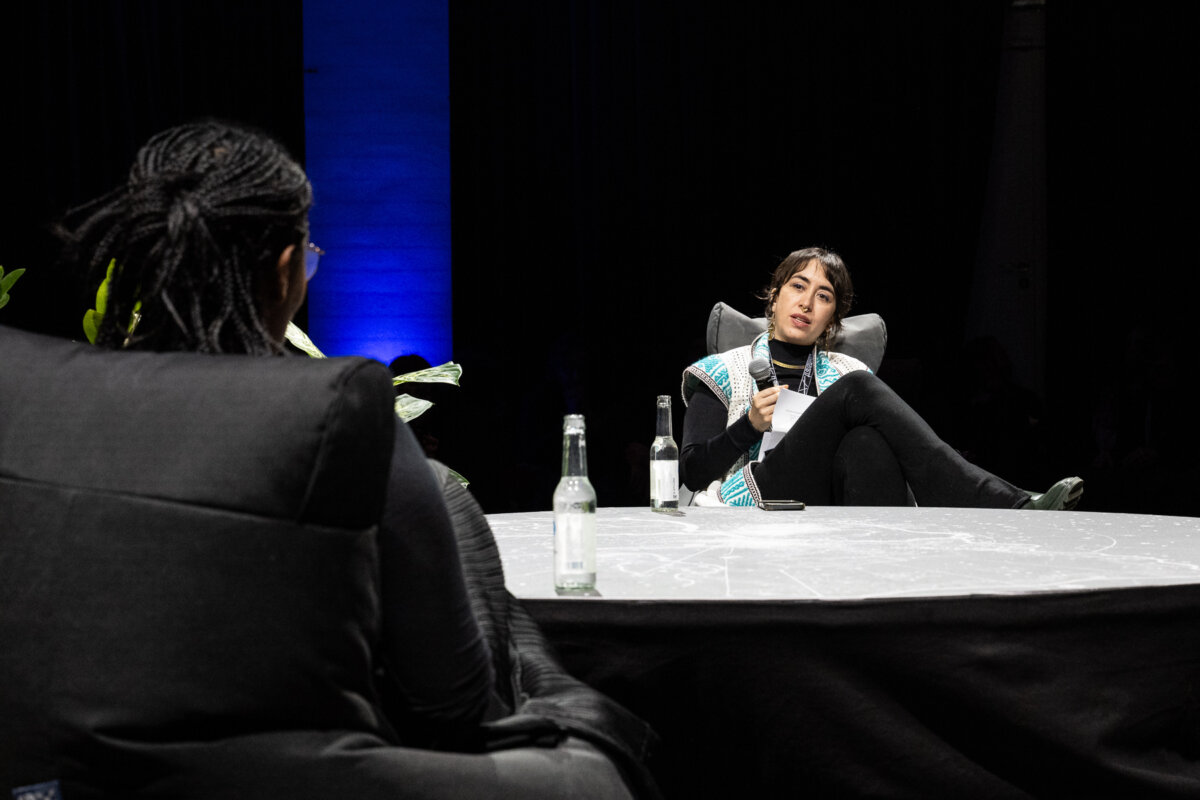 Keiria Shishay, Camila Lombana Diaz Moderated by Tsige Tafesse, After the Feed: Digital Labour and Its Afterlives, Screening with Conversation at transmediale 2026