Huang Po-Chih and Nat Skoczylas propose a shared, living installation that unfolds around paper mulberry (Broussonetia papyrifera) – a plant deeply embedded in Taiwan’s ecological, cultural, and migratory histories – and practices of fermentation, preservation, and surplus economies. Long cultivated for paper, fibre, fodder, and food, paper mulberry carries within its DNA evidence of Austronesian expansion across the Pacific, offering a botanical archive of movement, resilience, and relation. Its leaves, once withered and transformed, release unexpected aromas and flavours – echoing how taste, labour, and memory shift through careful processes of time.
Within By The Mango Belt & Tamarind Road, as a situated continuation of work presented in the Singapore Biennale, the collaboration materialises as a commons-like Sala: a spati / warung for speculative encounters. Jars of pickles, kvass, kombucha, and preserves - produced collectively in the weeks leading up to the festival and through potluck-style contributions – form a growing archive of flavours, scraps, and stories. The space invites participants to exchange recipes, memories, losses, and desires: foods once known and now inaccessible, geographies crossed, futures imagined. Fermentation becomes both method and metaphor – a slow technology for care, transformation, and shared outliving beyond extractive value systems.
Foregrounding surplus and discard economies, the project explores how abundance can emerge from leftovers, misplacements, and so-called inauthentic ingredients. Through tastings, conversations, and informal activations, Huang and Skoczylas reframe food not as commodity but as relational infrastructure - entangling botanical histories, underground sustenance networks, and mutual-aid imaginaries.
As part of the Current·Seas: Alternate Economies, Rotating Savings Systems & Social Coins programme, Huang Po-Chih will also contribute to a conversational panel on alternate economies together with Nat Skoczylas and Gladys Kalichini, and will be sharing about their artistic research practice.
Related Media
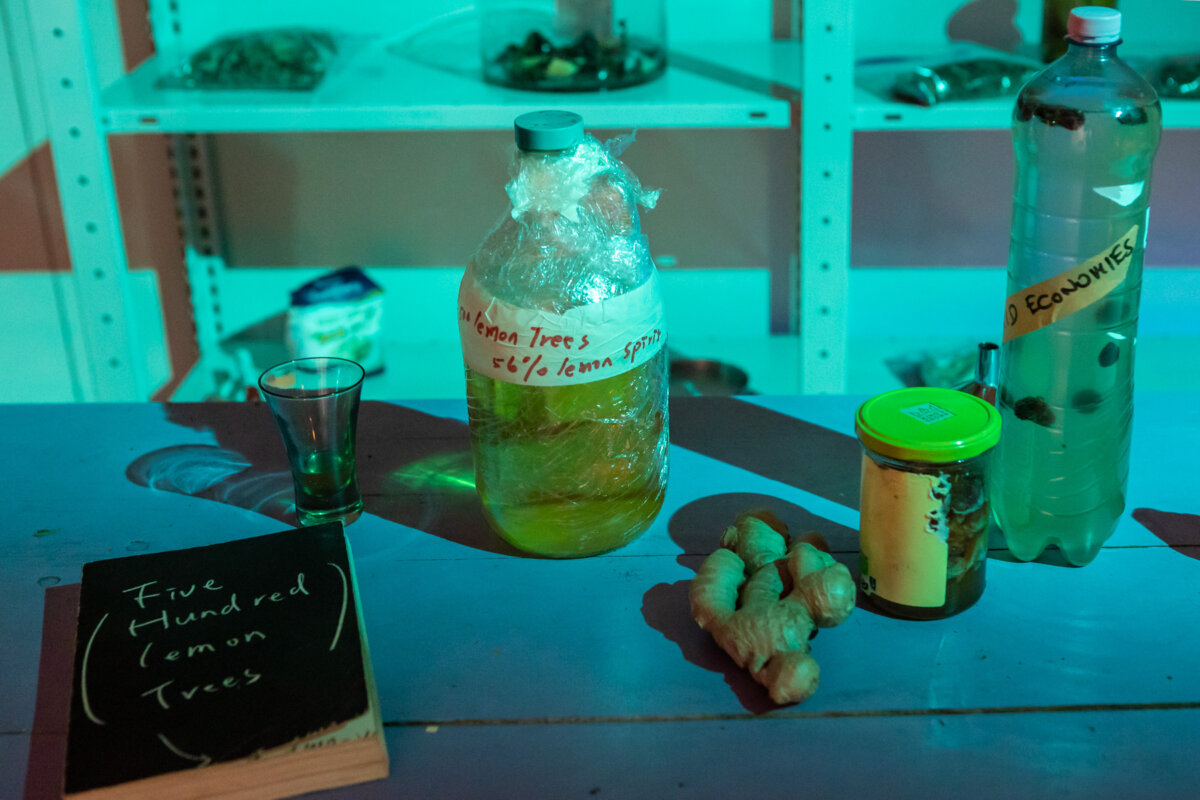 Huang Po-Chih, Nat Skoczylas, Paper Mulberry Commons & Slurplus Salas: for Current·Seas Program on Alternate Economies, Rotating Savings Systems and Social Coins, Installation at transmediale 2026
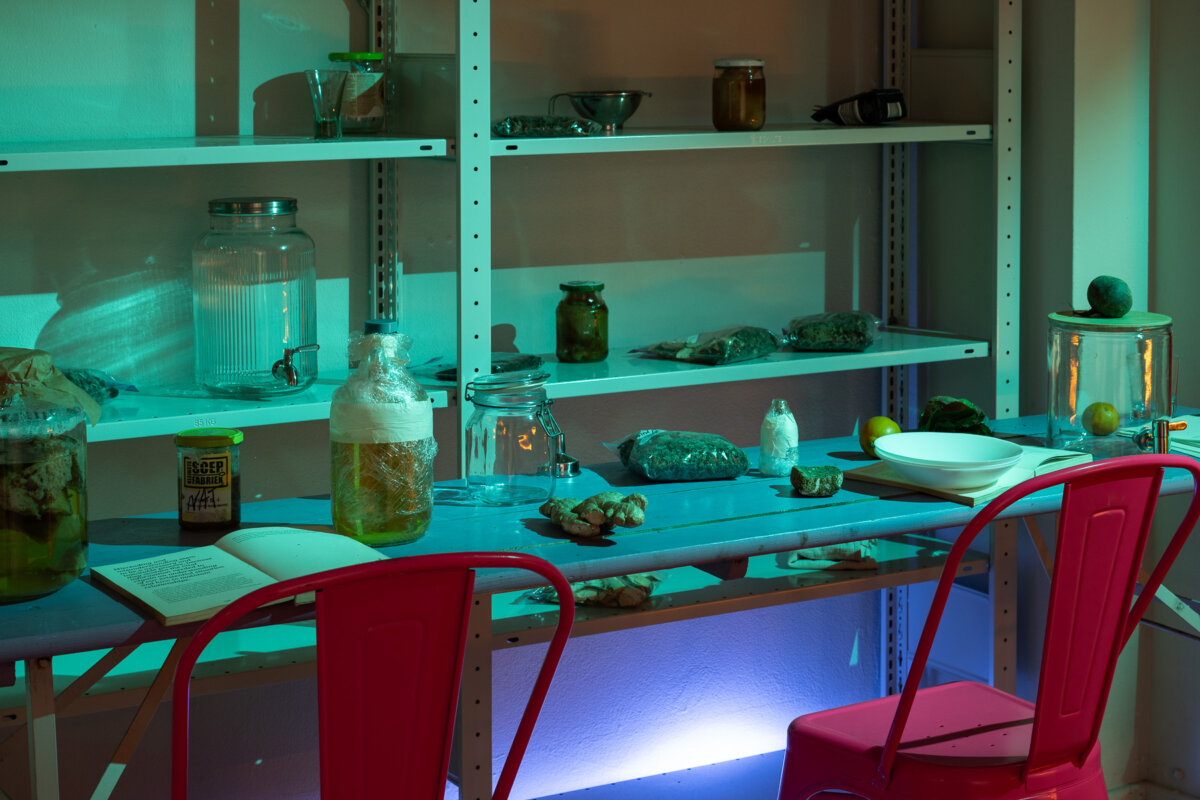 Huang Po-Chih, Nat Skoczylas, Paper Mulberry Commons & Slurplus Salas: for Current·Seas Program on Alternate Economies, Rotating Savings Systems and Social Coins, Installation at transmediale 2026
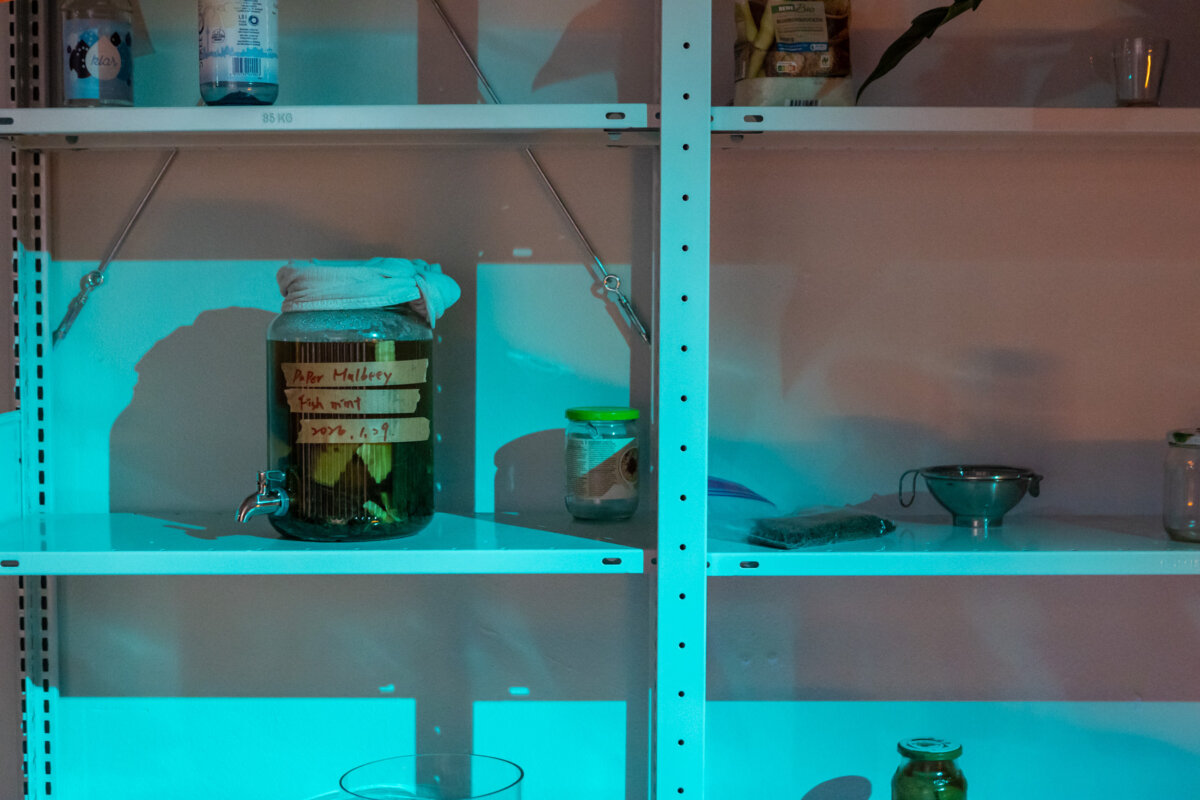 Huang Po-Chih, Nat Skoczylas, Paper Mulberry Commons & Slurplus Salas: for Current·Seas Program on Alternate Economies, Rotating Savings Systems and Social Coins, Installation at transmediale 2026
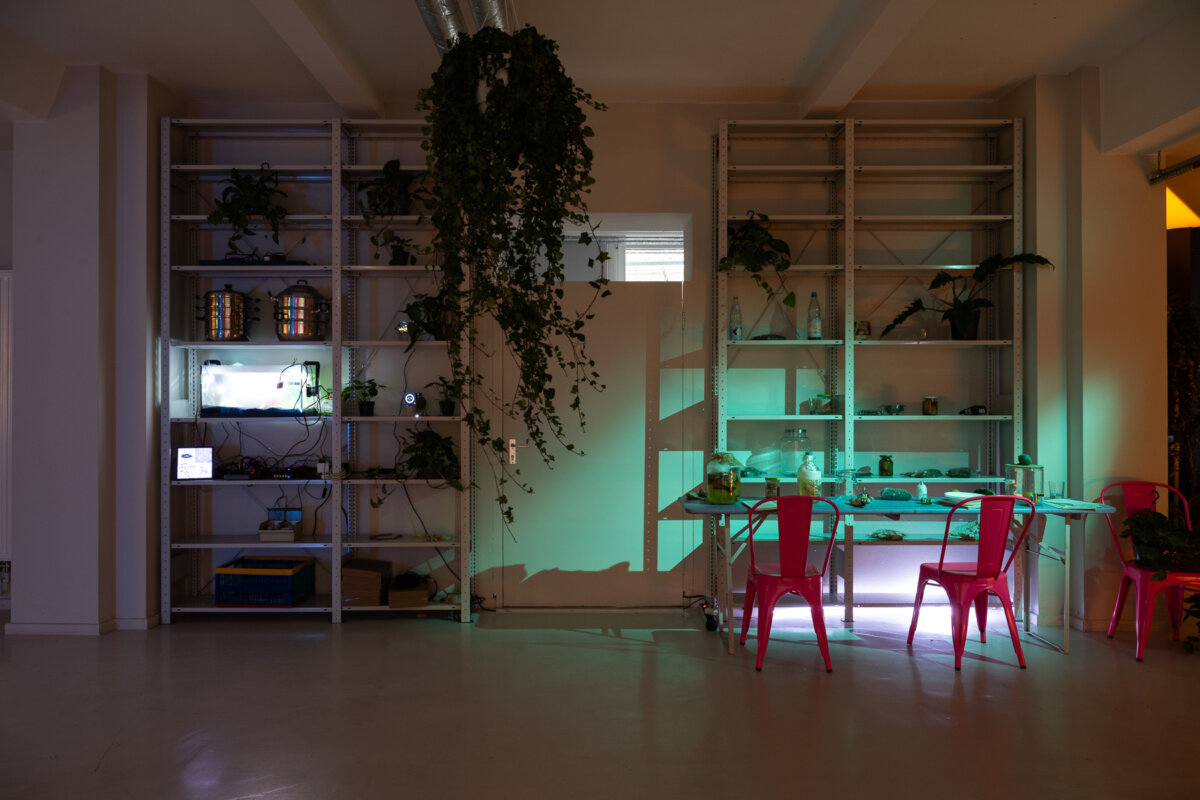 Huang Po-Chih, Nat Skoczylas, Paper Mulberry Commons & Slurplus Salas: for Current·Seas Program on Alternate Economies, Rotating Savings Systems and Social Coins, Installation at transmediale 2026