"Stop pretending that bits don't decay. Or that the virtual lacks any real-world consequences. The Internet of Things is at hand. Things that are Internet. Internet that is things. It's gonna settle that argument once and for all." - Bruce Sterling at the transmediale 2014 afterglow, opening ceremony.
When every thing and its potential relation to every other thing is assigned a number, physical reality becomes addressable and open to new economic and social interactions. This panel asks if tech developers, hackers and artists can respond in both critical and constructive ways to the challenges of the quantification of every-thing in ways that reach beyond the banal visions of the self-ordering fridge and the city as a digitally assisted playground. In a future hyper-connected society with semi-autonomous objects, what are the socio-cultural challenges and opportunities of the drive towards interconnected material and immaterial structures, through "Smart" technologies, innovation, maker and app driven economies? The panel is organised through the STARTS initiative that sets out to bring together artists, scientists and technologists to explore new ways of working.
Supported by


"Stop pretending that bits don't decay. Or that the virtual lacks any real-world consequences. The Internet of Things is at hand. Things that are Internet. Internet that is things. It's gonna settle that argument once and for all." - Bruce Sterling at the transmediale 2014 afterglow, opening ceremony.
Wenn jedem Ding und seiner potenziellen Beziehung zu jedem anderen Gegenstand eine Nummer zugewiesen wird, wird physische Realität adressierbar und offen für neue Formen von ökonomischer und sozialer Interaktion. Dieses Panel geht daher der Frage nach, ob Hacker_innen und Künstler_innen sowohl kritische als auch konstruktive Erwiderungen auf die Herausforderungen der allgegenwärtigen Quantifizierung finden können – und zwar auf eine Weise, die über die banalen Visionen eines sich selbst nachfüllenden Kühlschranks oder einer Stadt als digital gestütztem Spielplatz hinausgeht. Welche soziokulturellen Herausforderungen und Chancen ergeben sich in einer zukünftigen hypervernetzten Gesellschaft mit semi-autonomen Objekten – durch den Wunsch nach ineinandergreifenden Materialien und immateriellen Strukturen, durch “smarte” Technologien, Innovationen, Hersteller- und App-basierte Ökonomien?
Supported by


Related Media
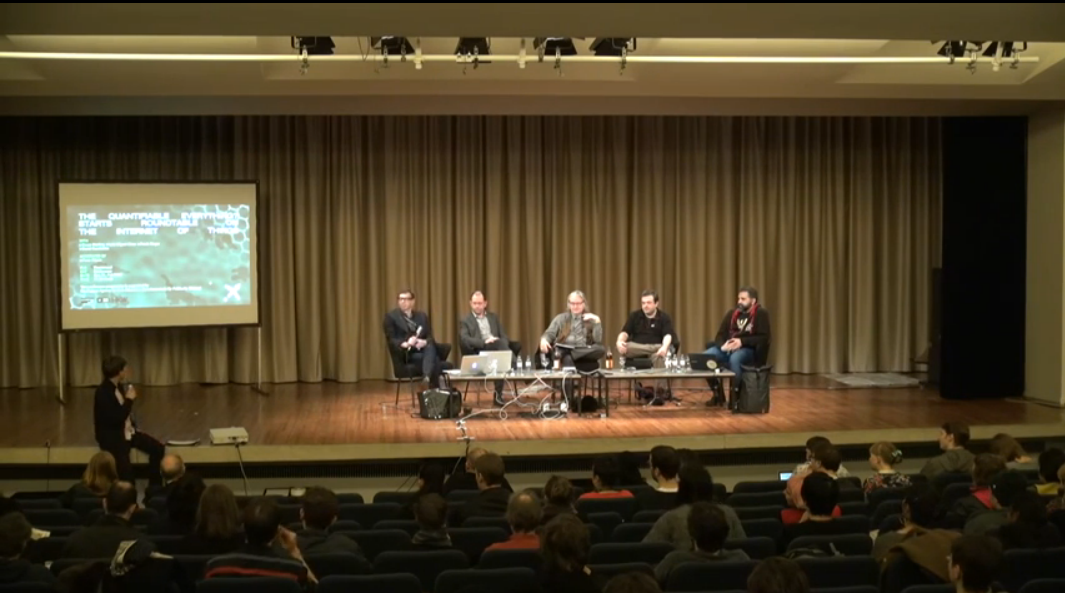 Introduction by Kristoffer Gansing and Peter Friess – The Quantifiable Everything?
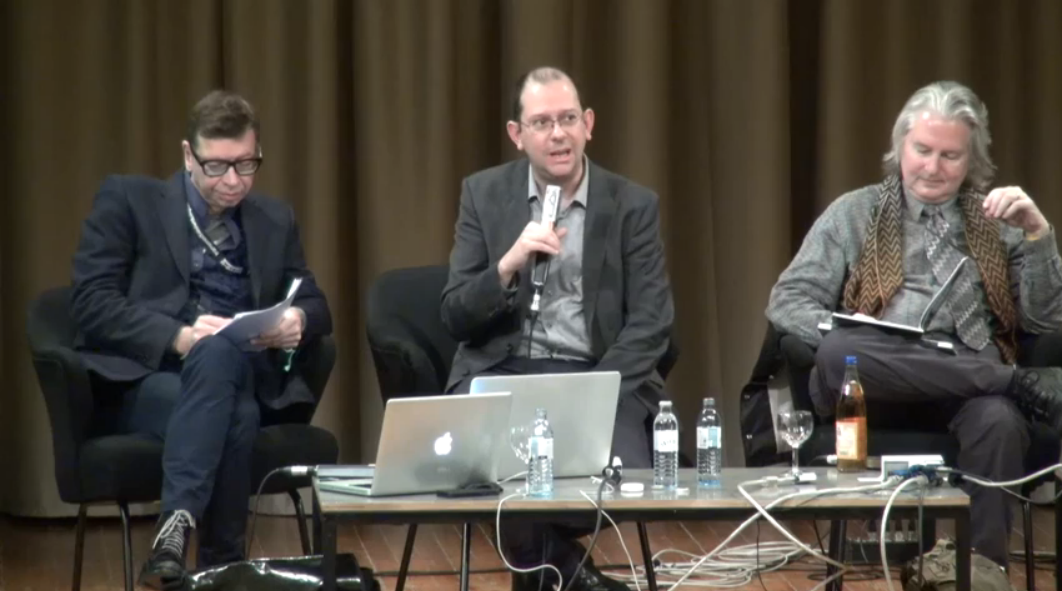 Presentation by Luis Miguel Girao – The Quantifiable Everything?
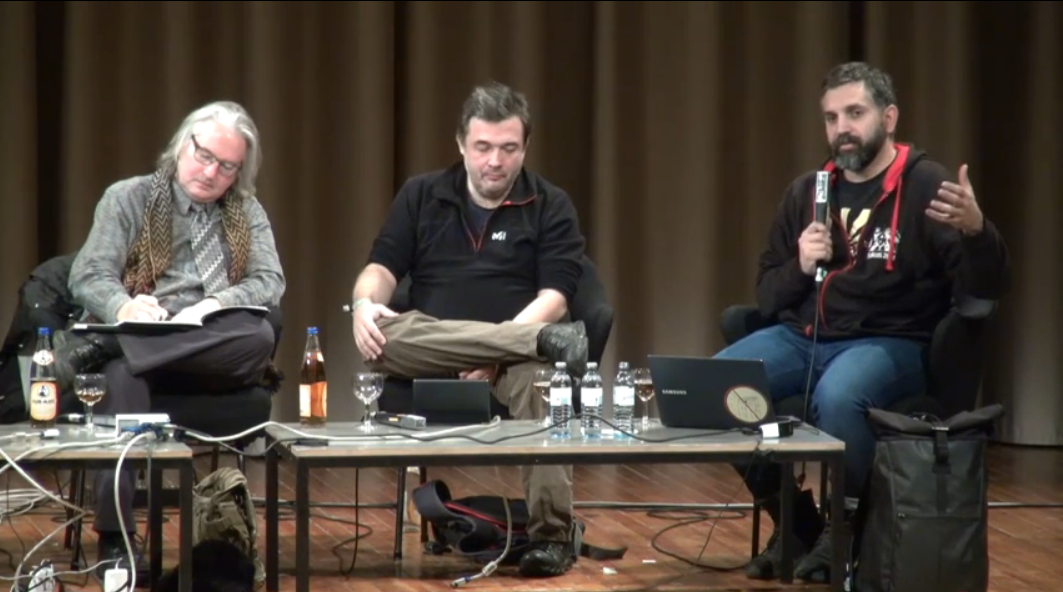 Presentation by David Cuartielles – The Quantifiable Everything?
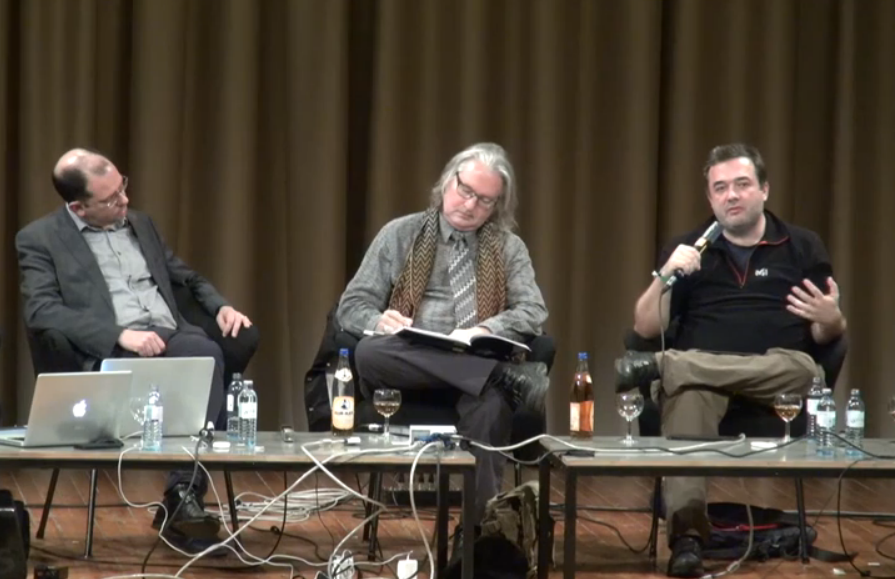 Presentation by Frank Rieger – The Quantifiable Everything?
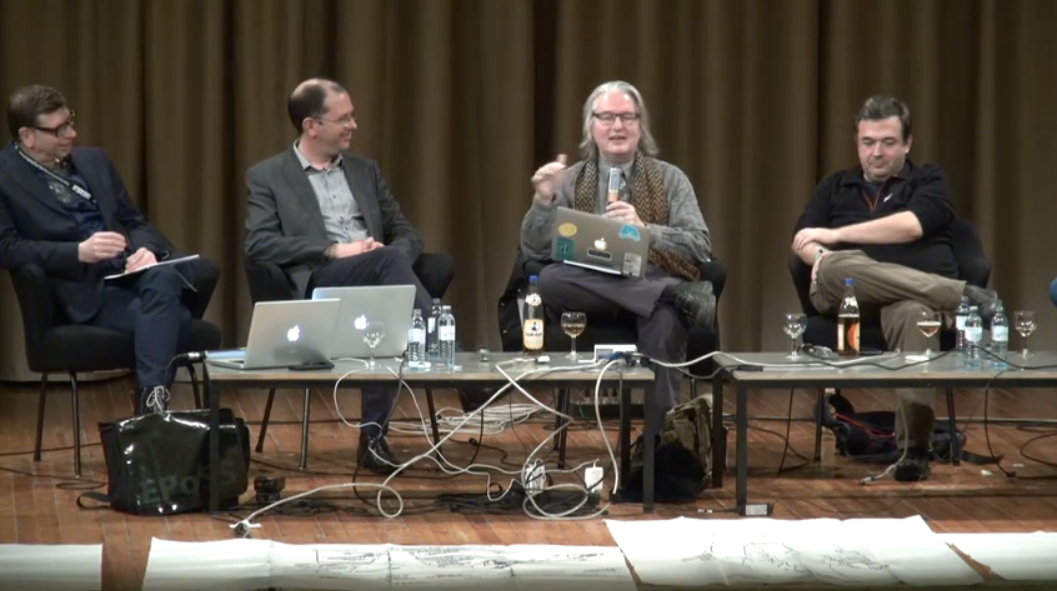 Presentation by Bruce Sterling – The Quantifiable Everything?
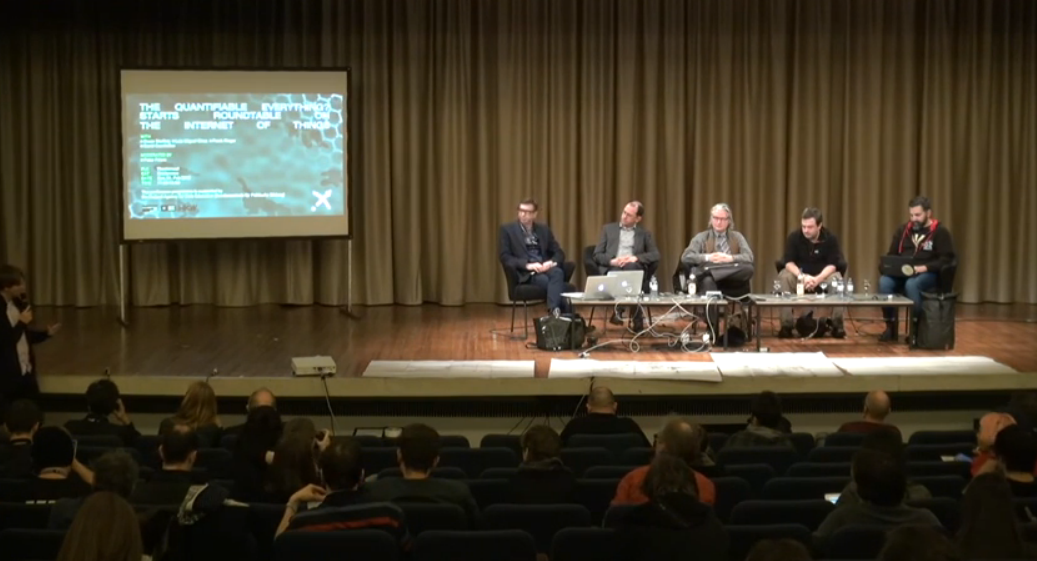 Discussion – The Quantifiable Everything?
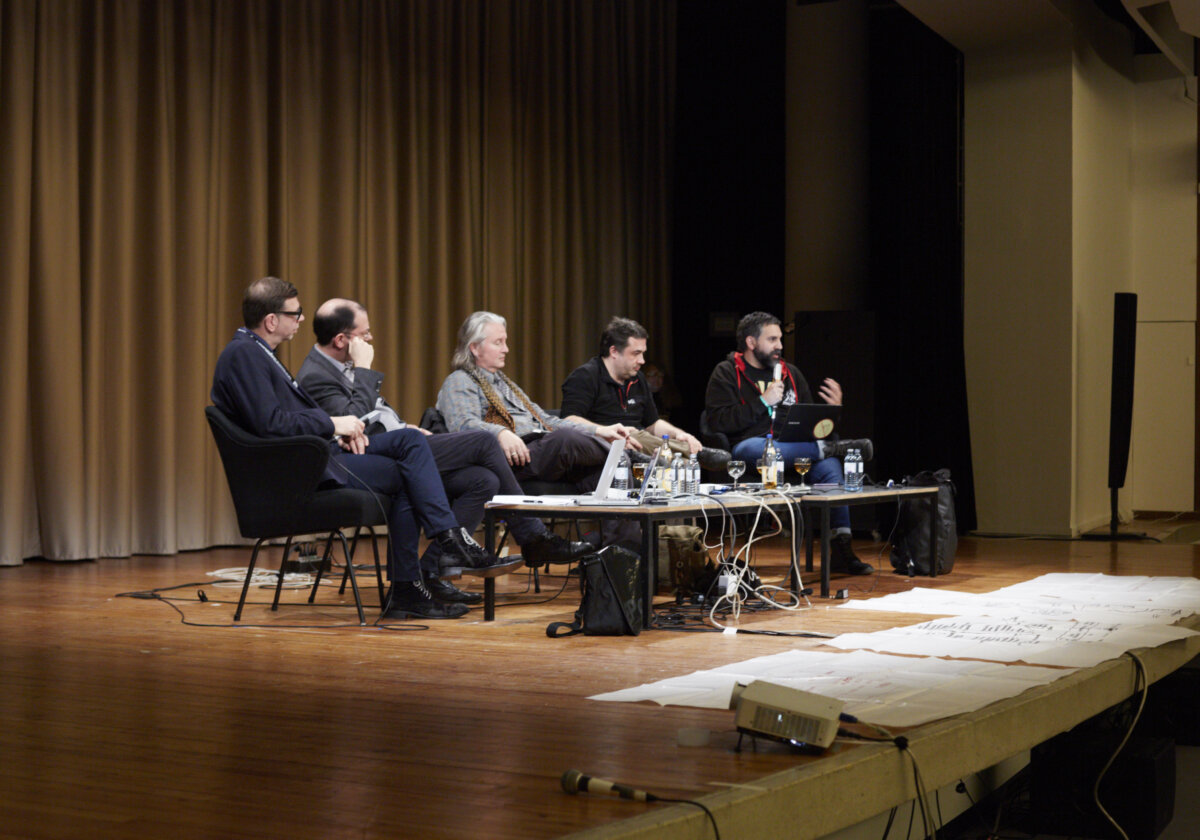 Peter Friess, Luis Miguel Girao, Burce Sterlin, Frank Rieger and David Cuartielles (left to right) at "The Quantifiable Everything? - STARTS Roundtable on The Internet of Things"