Social Media: From Complaints to Alternative Tools
This presentation gives a strategic overview of the philosophical underpinnings of the Unlike Us project, a network of designers, geeks, activists and researchers that investigates both critique and alternatives in social media. Many believe that we should not get stuck in our culture of complaint about privacy and do something about it instead. Unlike Us was founded in July 2011 and has, thus far, been coordinated mainly by the Institute of Network Cultures in Amsterdam. Unlike Us has an active list of 700 members, a blog, and has produced a reader, two conferences in Cyprus and Amsterdam (and a third on March 22-23, 2013) and has hosted workshops in Berlin and elsewhere. The central aim of Unlike Us is to discuss the very concepts of alternative network architectures. Whereas some believe that we should not underestimate the efficiency of centralized infrastructure, others have pointed at the real-existing utopia of decentralized and distributed initiatives (for instance in peer-to-peer and mesh networks). In contrast, what is this buzz around a “federated Web”? Are these ideas simply coming too late or is it still possible to deconstruct power structures? It is time to emphasize the tool character of apps (from “making things” to causing revolutions). It is time to disrupt the flow of updates. The idea is not to design the Ultimate Facebook Competitor. Unlike Us discusses efforts to inscribe alternative social relations into Internet protocol itself and what we can learn from existing activist platforms such as Lorea.
Social Media: From Complaints to Alternative Tools
Diese Präsentation gibt einen strategischen Überblick über die philosophischen Hintergründe des Projekts Unlike Us, ein Netzwerk von Designern, Computerfreaks, Aktivisten und Forschern, das Social Media kritisiert und Alternativen entwirft. Viele verlangen, dass wir etwas gegen den Verlust unserer Privatsphäre tun, anstatt in einer Kultur des Beschwerens zu verharren. Unlike Us wurde im Juli 2011 gegründet und wird bisher hauptsächlich vom Amsterdamer Institut für Netzwerkkulturen koordiniert. Die Initiative zählt 700 aktive Mitglieder, informiert über einen Blog, hat einen Reader herausgegeben, Workshops in Berlin und anderen Städten veranstaltet, eine Konferenz auf Zypern und eine in Amsterdam organisiert und lädt vom 22. bis zum 23. März 2013 zu einer dritten. Im Mittelpunkt der Aktivitäten steht die Auseinandersetzung mit alternativen Netzwerk-Architekturen. Einige glauben an die Effizienz einer zentralisierten Infrastruktur, andere an die Utopie dezentraler, überall verteilter Initiativen, wie Peer-to-Peer- oder Mesh-Netzwerke. Dem gegenüber stehen Gerüchte zu einem „Internet-Bund“. Kommen die Ideen etwa zu spät, oder ist es nach wie vor möglich, Machtstrukturen zu dekonstruieren? Es ist an der Zeit, den instrumentellen Charakter von Apps zu betonen, anstatt von „Machen“ von Revolutionieren zu sprechen. Es ist an der Zeit, den Fluss der Updates zu unterbrechen. Dabei geht es nicht darum, den ultimativen Facebook-Wettbewerber zu entwerfen. Unlike Us setzt sich mit den Möglichkeiten auseinander, alternative soziale Beziehungen in das Netz-Protokoll selbst einzuschreiben, und fragt, was wir von aktivistischen Plattformen wie Lorea lernen können.
Related Media
 Introduction by Tatiana Bazzichelli - BWPWAP networks with Geert Lovink
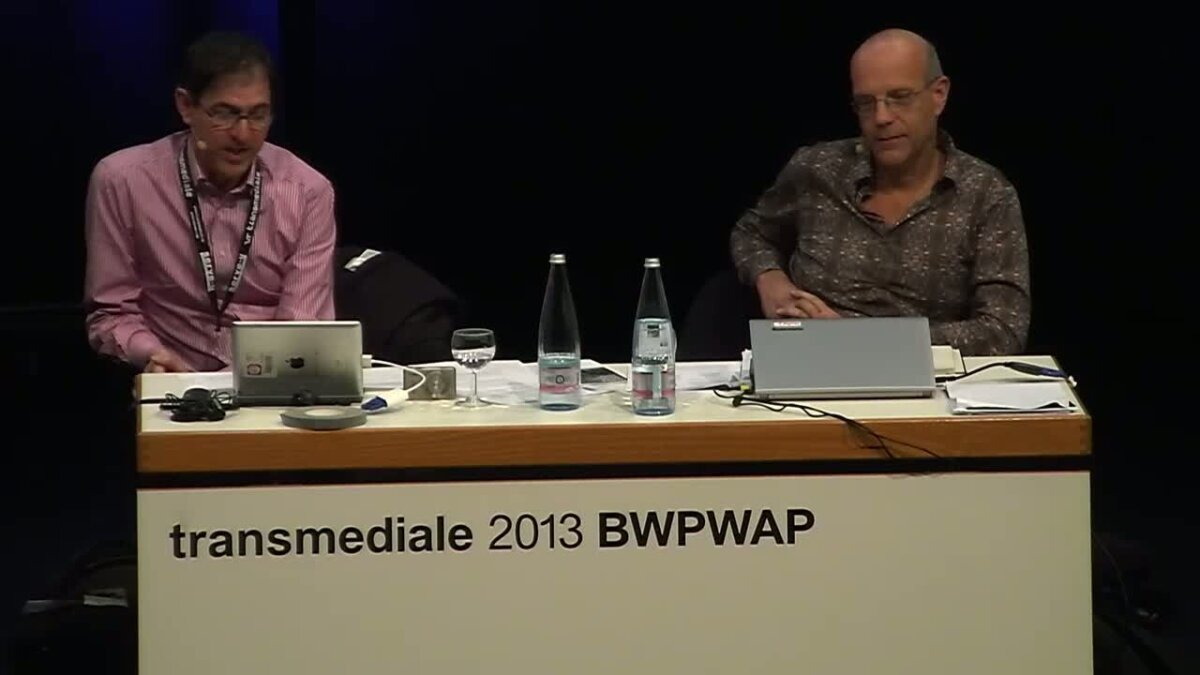 Introduction by Craig Saper - BWPWAP Networks with Geert Lovink
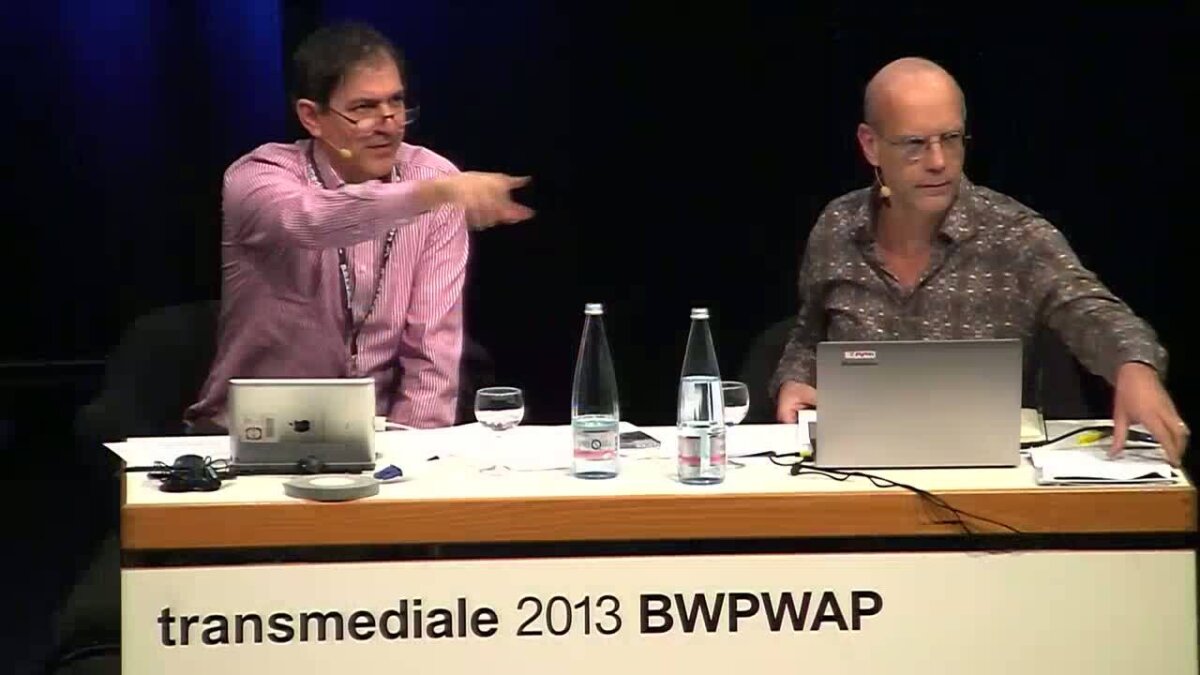 Presentation by Geert Lovink - BWPWAP networks with Geert Lovink
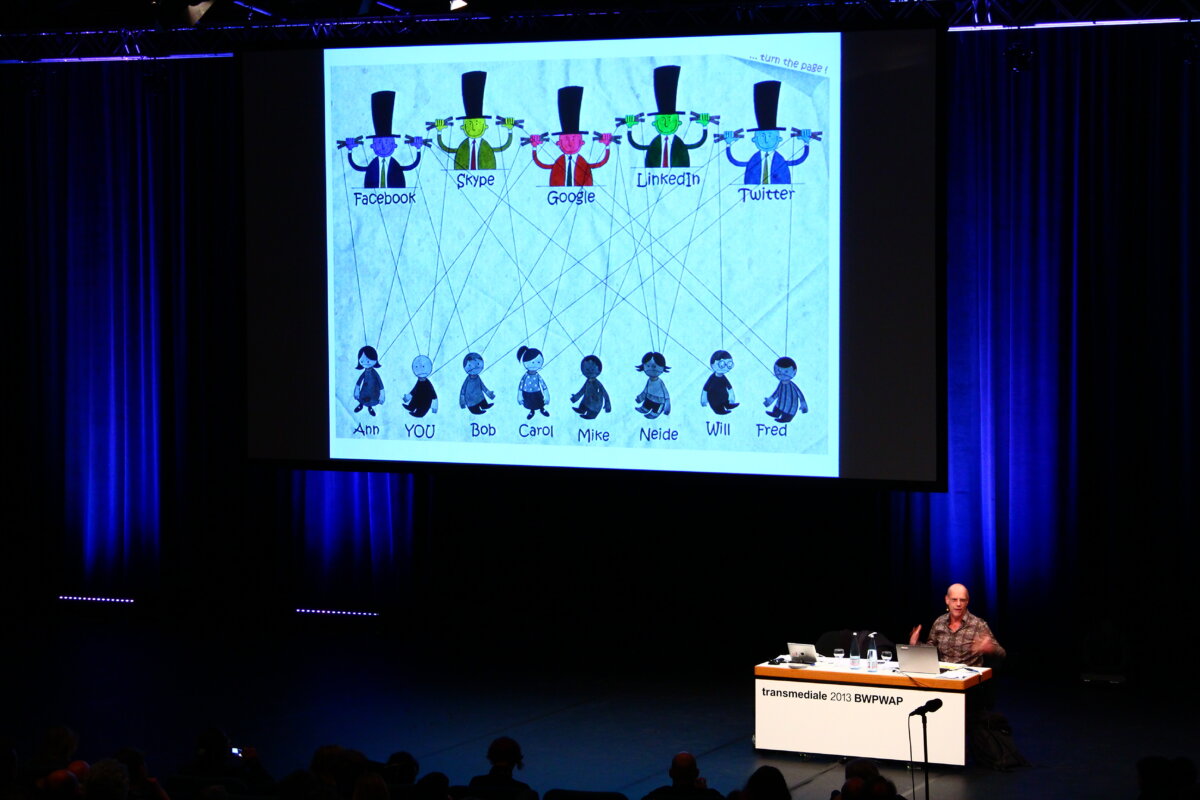 Geert Lovink at "BWPWAP Networks"
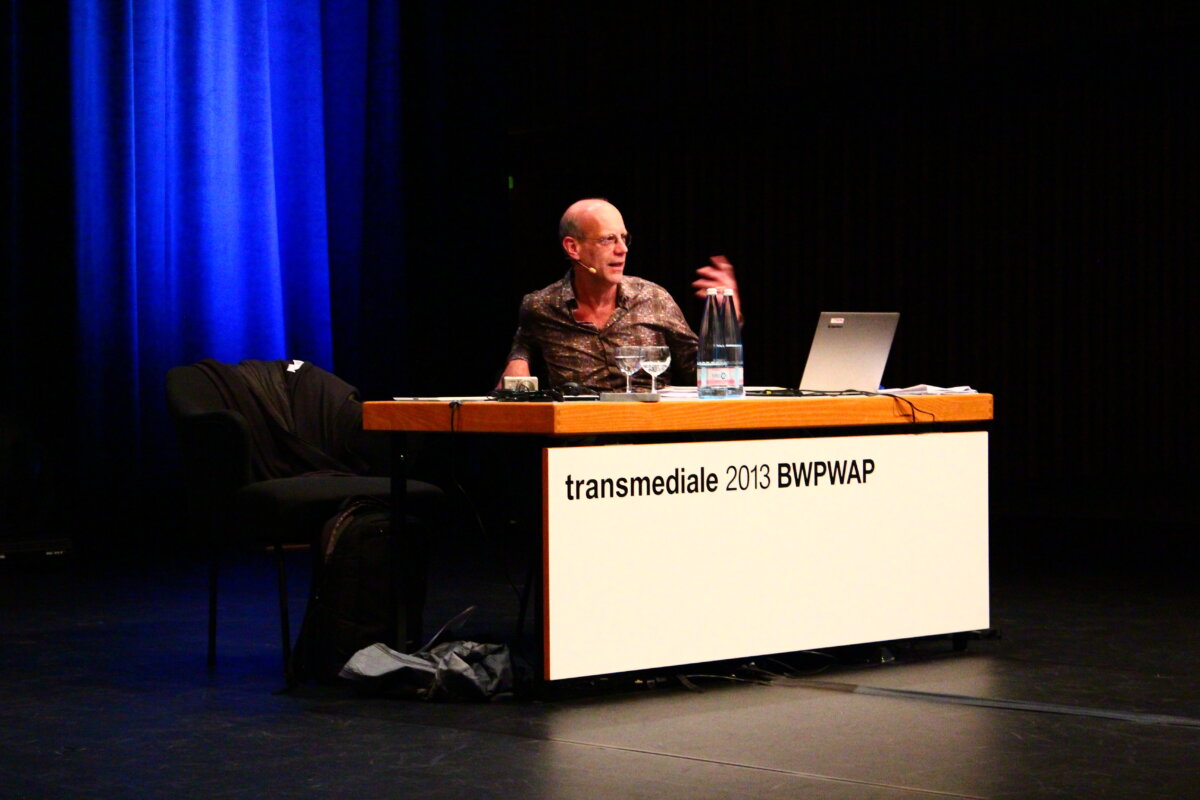 Geert Lovink at "BWPWAP Networks"
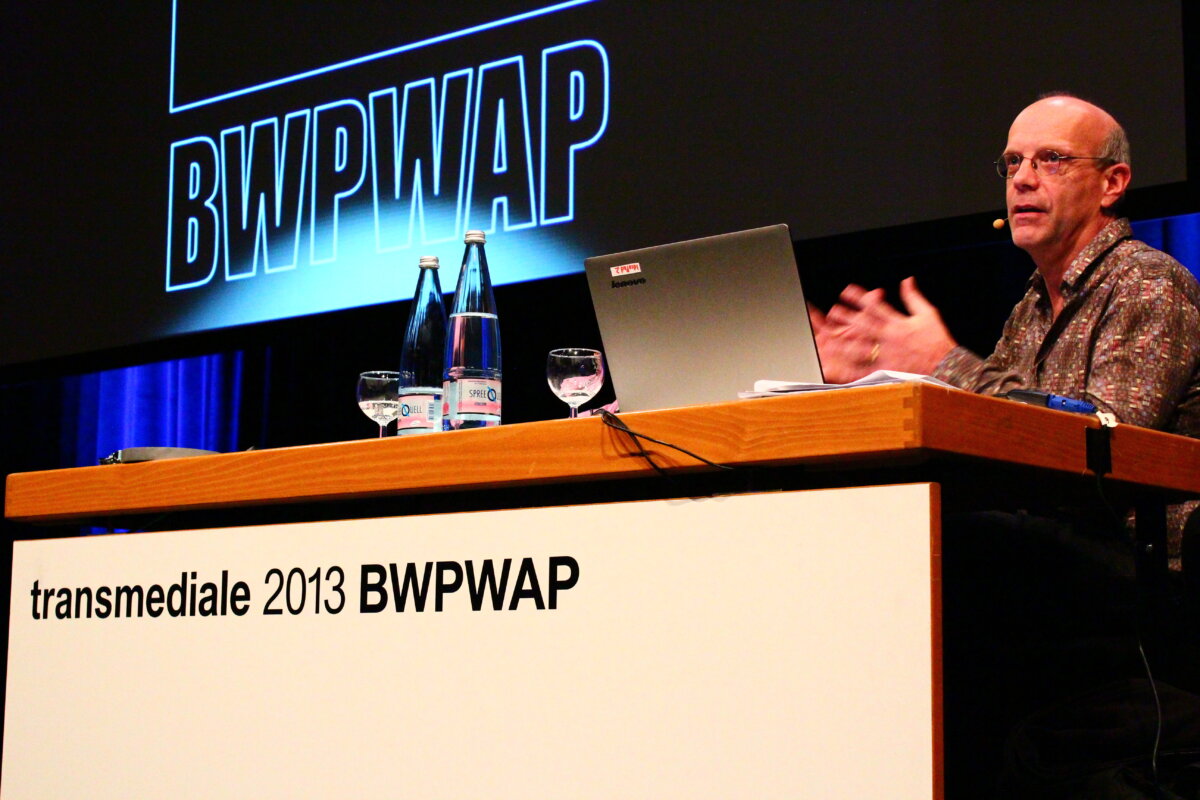 Geert Lovink at "BWPWAP Networks"
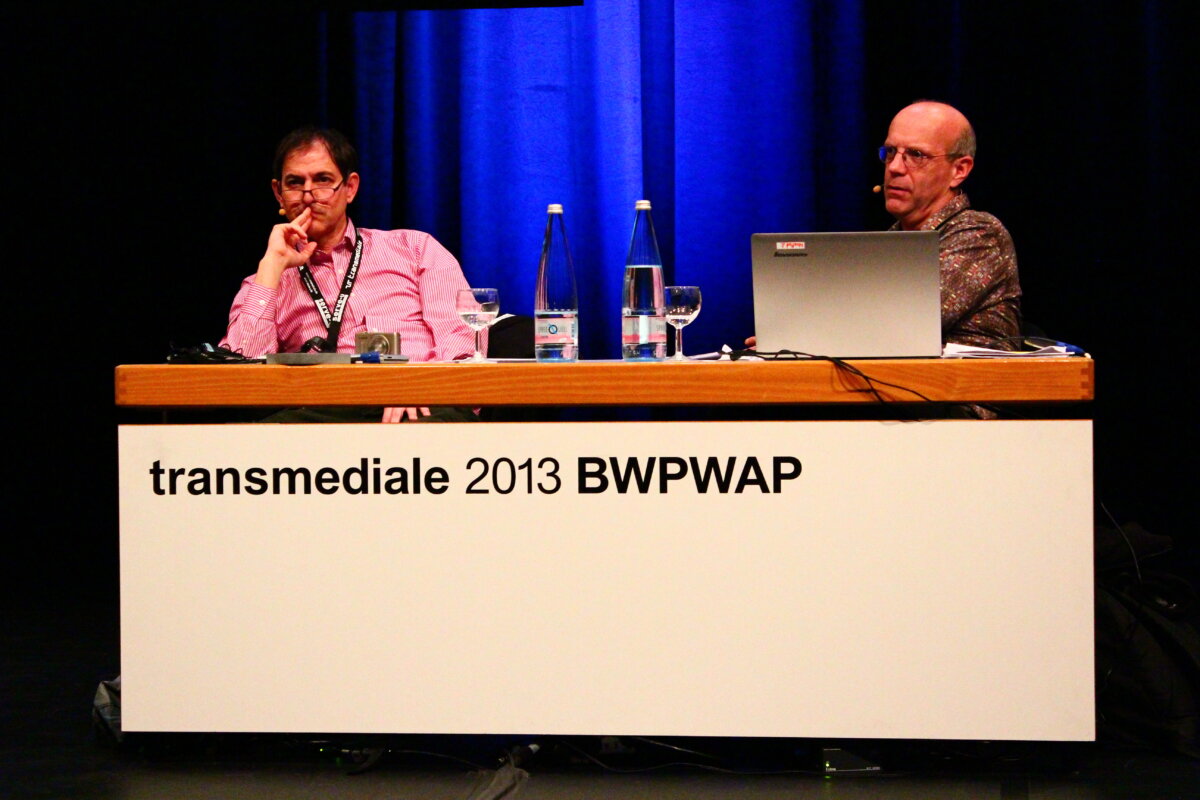 Craig Saper (left) and Geert Lovink (right) at "BWPWAP Networks"
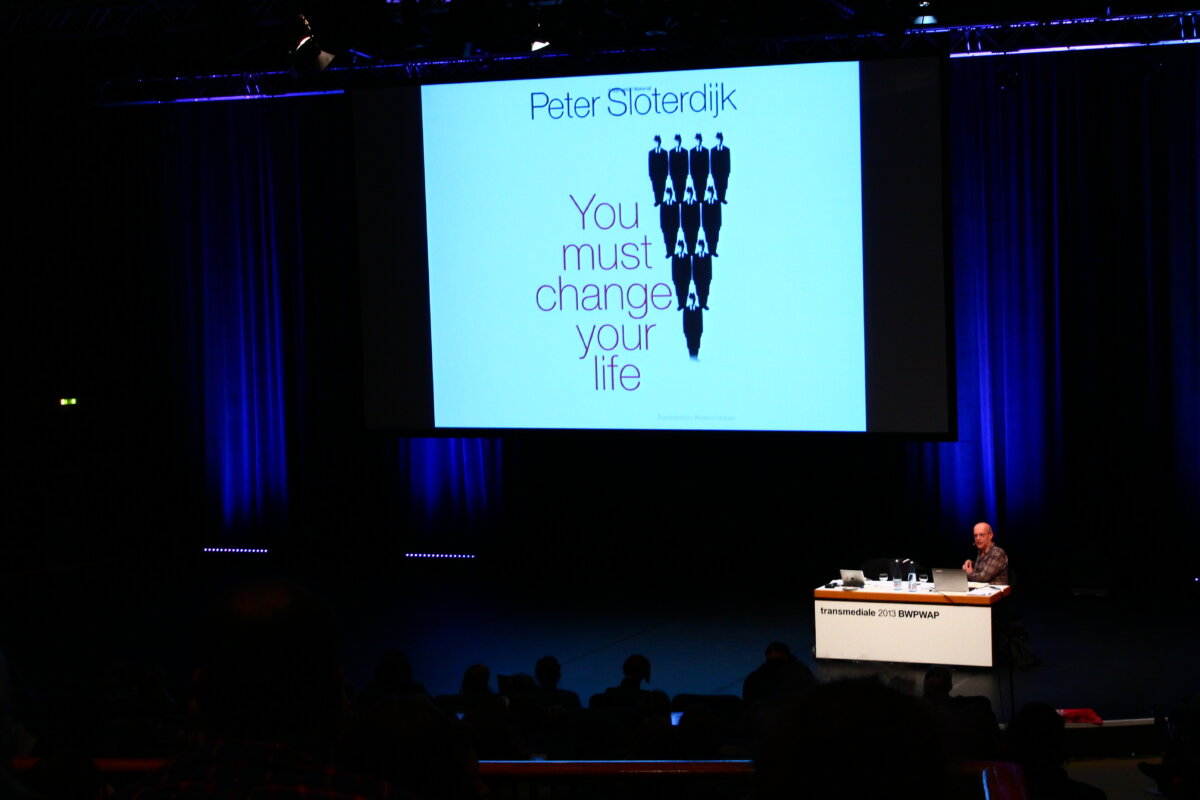 Geert Lovink at "BWPWAP Networks"
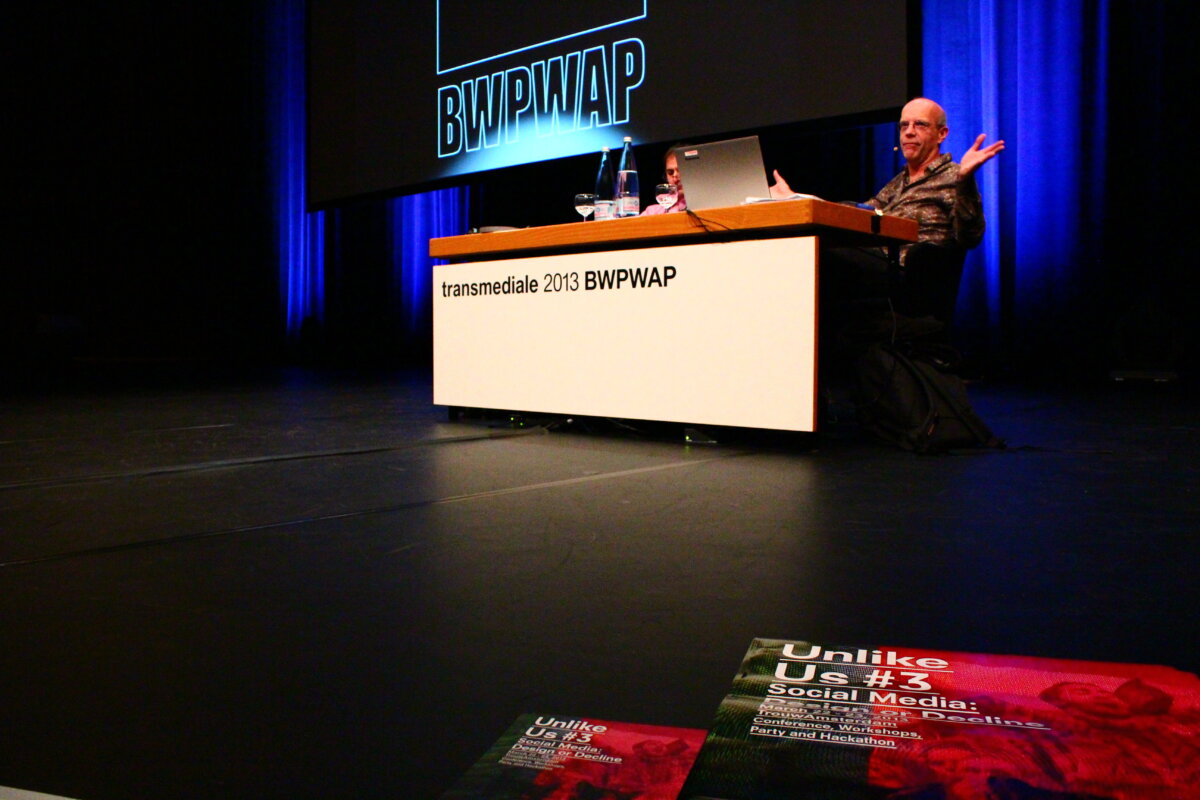 Geert Lovink at "BWPWAP Networks"